
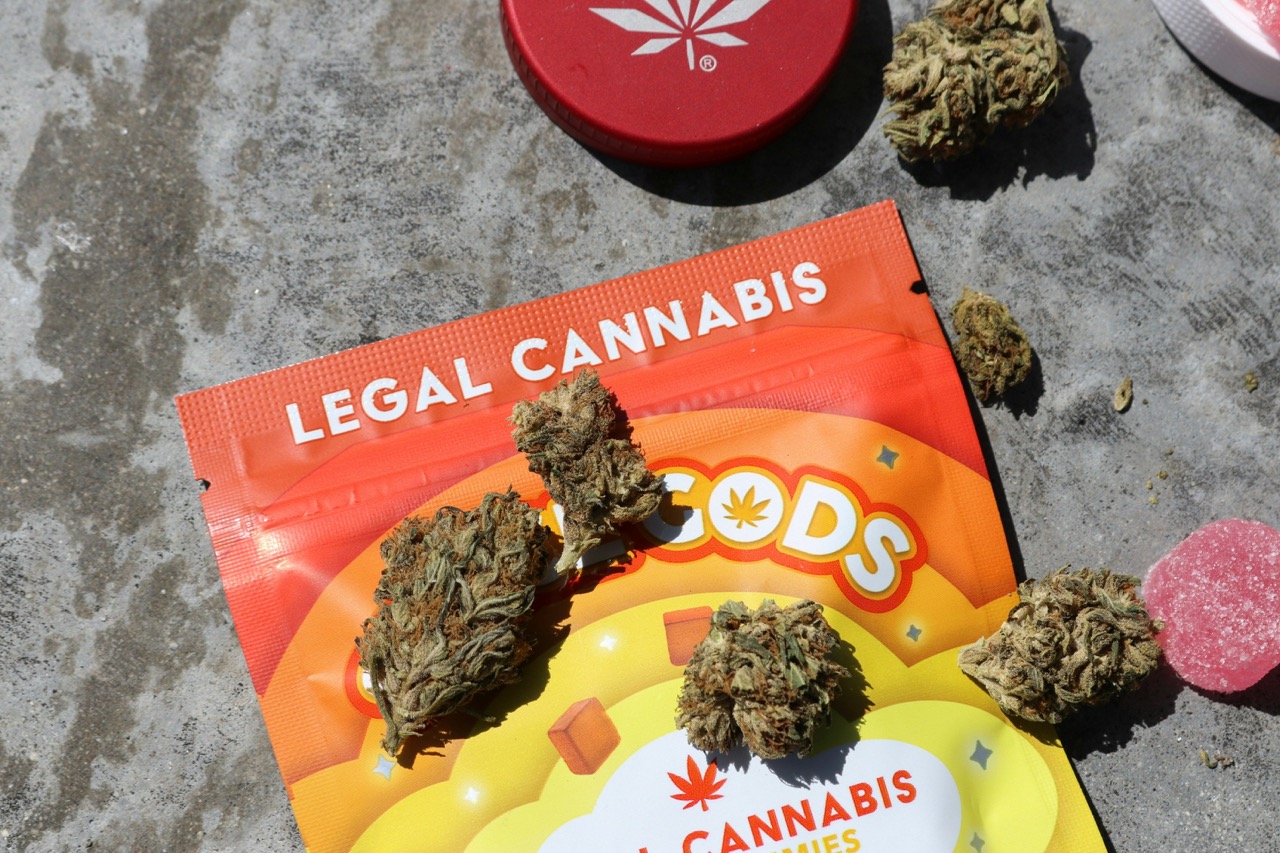
In May 2025, the Ontario Superior Court of Justice certified what could become one of the most significant product liability cases in Canada’s legal cannabis industry. Subsequently, a national class action lawsuit against Aurora Cannabis has brought unprecedented attention to the risks of Cannabinoid Hyperemesis Syndrome (CHS) and raised fundamental questions about consumer protection in the legal marijuana market.
This cannabis lawsuit represents a watershed moment: it’s the first major class action in Canada to directly challenge a licensed producer’s failure to warn consumers about CHS, a serious condition that can develop from regular cannabis use. Furthermore, the case alleges that Aurora knew, or should have known, about the risk of CHS but failed to provide adequate warnings to consumers, patients, and healthcare providers about the potential for this condition arising from ordinary use of their products (Sotos Class Actions).
The implications extend far beyond this single case. Indeed, this marijuana lawsuit could set precedents for how cannabis companies handle product warnings, consumer safety, and medical disclosures. Moreover, as more people develop CHS from legal cannabis products, questions about corporate responsibility and consumer protection are coming to the forefront of the industry conversation.
What the Lawsuit Claims: The Core Allegations
The class action complaint makes several critical allegations that form the foundation of this cannabis product liability case:
Failure to Warn
The lawsuit contends that Aurora Cannabis knew, or should have known, that regular use of their cannabis products could lead to CHS. Importantly, this knowledge, according to the complaint, existed well before the class period began in 2014. Additionally, the company allegedly had access to medical literature documenting CHS cases dating back to 2004, when the condition was first described in medical journals.
Inadequate Consumer Information
The complaint alleges that consumers and healthcare providers were not provided with warnings about diagnosis, treatment, or prevention of CHS. Notably, this omission is particularly significant because:
- Cannabis products are often marketed as therapeutic or medicinal
- Many consumers use cannabis specifically to treat nausea and other gastrointestinal symptoms
- Healthcare providers prescribing or recommending cannabis products lacked critical information about CHS risks
- Product labels, packaging, and marketing materials contained no warnings about the condition
The Irony of Nausea Treatment
This failure is especially concerning because cannabis is frequently recommended to treat nausea – which is ironically one of the primary symptoms of CHS. Consequently, patients may have been using Aurora products specifically to manage nausea, only to develop a condition that causes even more severe nausea and vomiting. As a result, this creates a particularly troubling scenario where the “cure” may have contributed to the problem.
Legal Theories
The lawsuit advances claims under multiple legal theories:
- Negligence: Aurora had a duty to warn consumers about known risks and breached that duty
- Product liability: The products were defective due to inadequate warnings
- Consumer protection violations: Failure to warn constitutes false, misleading, or deceptive practices under Canada’s Cannabis Act and Food and Drugs Act
- Breach of statutory duty: Violations of federal and provincial consumer protection laws
The class action seeks damages for individuals diagnosed with CHS after consuming Aurora products, including:
- Medical expenses and healthcare costs
- Lost wages and income
- Pain and suffering
- Costs associated with treatment and recovery
- Other economic and non-economic damages
The Plaintiff’s Story: A Canadian Veteran’s Experience
The lead plaintiff in this weed lawsuit is a Canadian Armed Forces veteran who was prescribed Aurora’s cannabis products to treat post-traumatic stress disorder (PTSD). According to court documents, the veteran developed CHS after using Aurora products as prescribed, experiencing severe episodes of nausea, vomiting, and abdominal pain.
This case highlights a particularly troubling aspect: patients who were using cannabis under medical supervision, for legitimate therapeutic purposes, developed a serious condition that their healthcare providers may not have been aware was a risk. Moreover, the veteran’s experience raises questions about whether medical cannabis programs adequately inform patients about potential adverse effects.
Furthermore, the fact that the plaintiff was using cannabis for PTSD treatment, not recreational use, underscores the importance of comprehensive warnings for all consumers, regardless of their reason for using cannabis products.
Who Is Included in the Class?
The certified class is broad, covering a significant portion of Aurora’s customer base over more than a decade. Therefore, understanding whether you’re included in this cannabis class action is important for anyone who has used Aurora products.
Class Definition
The class covers:
- Canadians who purchased Aurora cannabis products on or after February 1, 2014
- Those diagnosed or likely diagnosed with CHS after consuming one or more Aurora products
- Anyone who meets these criteria is automatically part of the class unless they formally opt out
The class period spans from February 1, 2014, through May 2025 (when the class was certified), covering over 11 years of Aurora’s operations in the legal cannabis market.
What Products Are Included?
The lawsuit covers a wide range of cannabis products sold by Aurora during the class period, including:
- Edibles: Gummies, chocolates, baked goods, and other food products
- Oils and tinctures: Cannabis extracts in liquid form
- Concentrates: Hash, shatter, wax, and other concentrated forms
- Lozenge products: Dissolvable cannabis products
- Vaporizer products: Vape cartridges and related products
- Pills and capsules: Oral cannabis medications
- Raw plant material: Dried flower and pre-rolls
Essentially, if Aurora sold it and you bought it during the class period, and you developed CHS, you’re likely included in the class.
Geographic Limitations
Important limitation: This class action only covers Canadian consumers. However, American consumers who may have been affected by CHS from cannabis products are not included in this particular lawsuit, though similar legal actions could potentially be brought in the United States.
Opt-Out Deadline
Anyone included in the class definition is automatically part of the class unless they formally opt out. Specifically, the opt-out deadline was October 20, 2025. If you didn’t opt out by that date, you’re part of the class and will be bound by any settlement or judgment in the case.
If you’re unsure whether you’re included or have questions about the opt-out process, you should contact the class action administrators or consult with legal counsel familiar with class action procedures.
Why This Lawsuit Matters: Beyond Individual Cases
This isn’t just about one company or one group of consumers. Rather, this cannabis litigation represents a fundamental shift in how we think about consumer protection in the legal cannabis industry. Indeed, the case matters for several critical reasons:
The Seriousness of CHS
CHS is a serious and sometimes under-recognized condition that can cause:
- Cyclical nausea and vomiting: Episodes that come in waves, sometimes lasting for days
- Severe abdominal pain: Cramping and discomfort that can be debilitating
- Dehydration and electrolyte imbalances: From persistent vomiting, requiring medical intervention
- Organ damage: In extreme cases, severe dehydration can lead to kidney problems and other complications
- Emergency room visits: Many CHS patients require hospitalization for dehydration and symptom management
- Significant healthcare costs: Repeated medical visits, emergency care, and ongoing treatment
Clinical literature emphasizes that the only reliable cure is complete cessation of cannabis (NIH Overview of CHS). However, in some rare cases people have claimed CHS has caused death, though these cases are extremely rare and often involve complications from severe dehydration.
Consumer Safety in a New Industry
The legal cannabis industry is still relatively young, and regulatory frameworks are evolving. Consequently, this marijuana lawsuit raises important questions about:
- What warnings are adequate? How much information do companies need to provide?
- When did companies know about CHS? What was the state of medical knowledge at different points in time?
- Who bears responsibility? Should companies, regulators, or healthcare providers be responsible for consumer education?
- What about medical cannabis? Should warnings be different for medical vs. recreational products?
Industry-Wide Implications
This case could have ripple effects across the entire cannabis industry. Specifically, if Aurora is found liable, other licensed producers may face similar legal challenges. As a result, this could lead to:
- More comprehensive warning labels on cannabis products
- Better consumer education campaigns
- Changes in how cannabis companies market their products
- Increased scrutiny of product safety and consumer protection practices
- Potential regulatory changes requiring specific CHS warnings
The Precedent Question
As one of the first major CHS-related class actions in Canada, this case could set important legal precedents. Accordingly, courts will need to decide:
- What constitutes “adequate warning” for cannabis products?
- When did the industry have sufficient knowledge of CHS to require warnings?
- What level of risk disclosure is necessary for legal cannabis products?
- How should courts balance consumer protection with industry development?
These questions don’t just affect this case – indeed, they could shape how cannabis product liability is handled for years to come.
Consumer Awareness and Education
By bringing this lawsuit to public attention, the case serves an important educational function. Notably, many consumers may not be aware of CHS, and many healthcare providers may not recognize it. Therefore, this legal action helps raise awareness about:
- The existence of CHS as a real medical condition
- The importance of understanding potential risks before using cannabis
- The need for honest communication between patients and healthcare providers
- The value of informed consent in cannabis use decisions
Legal Analysis: The Merits of the Case
Understanding the legal strengths and challenges of this cannabis lawsuit helps put the case in perspective. Indeed, legal experts have analyzed various aspects of the complaint, and the case presents both compelling arguments and potential hurdles.
Strengths of the Case
1. Medical Literature Existed
By 2014, when the class period began, CHS had been described in medical literature for a decade. Specifically, the condition was first documented in 2004, and by 2014, there were numerous case reports and studies published. Consequently, this suggests that Aurora, as a medical cannabis company, should have been aware of the condition.
2. The Duty to Warn
Canadian product liability law generally requires manufacturers to warn consumers about known or reasonably foreseeable risks. Therefore, if Aurora knew or should have known about CHS, the failure to warn could constitute negligence. Moreover, the fact that Aurora marketed products for medical use, including for nausea treatment, arguably increases their duty to warn about CHS risks.
3. Consumer Protection Laws
Canada’s Cannabis Act and Food and Drugs Act include provisions against false, misleading, or deceptive practices. Accordingly, if the absence of CHS warnings led consumers to believe cannabis was safer than it actually was, or if it misled them about potential risks, this could violate consumer protection statutes.
4. The Therapeutic Use Paradox
The fact that cannabis is often recommended for nausea, while CHS causes severe nausea, creates a particularly strong argument. Specifically, consumers using Aurora products to treat nausea may have been especially vulnerable, and the lack of warnings about CHS could be seen as particularly problematic in this context.
Potential Challenges
1. Causation
Proving that Aurora products specifically caused CHS in individual class members could be challenging. Notably, many class members may have used products from multiple companies, making it difficult to attribute their CHS solely to Aurora products. Furthermore, the condition develops from chronic cannabis use generally, not necessarily from one specific brand.
2. Knowledge and Timing
Aurora may argue that the medical understanding of CHS was still evolving during the class period, and that the company didn’t have sufficient knowledge to require warnings, especially in the earlier years. Consequently, the question of when CHS became a “known risk” that required disclosure is likely to be contested.
3. Regulatory Compliance
Aurora may argue that they complied with all applicable regulations at the time. Specifically, if Health Canada didn’t require CHS warnings, the company might claim they had no legal obligation to provide them beyond regulatory requirements.
4. Individual Variations
CHS doesn’t affect all cannabis users, and the condition’s development may depend on individual factors like frequency of use, duration, genetics, and other variables. Therefore, Aurora may argue that the risk was too variable or uncertain to require specific warnings.
5. Contributory Negligence
The defense may argue that consumers who used cannabis products had some responsibility to research potential risks themselves, or that continued use after experiencing symptoms could constitute contributory negligence.
The Certification Decision
The fact that the Ontario Superior Court certified this as a class action is significant. Specifically, courts only certify class actions when they determine that:
- The claims raise common issues that can be determined for the class as a whole
- A class action is the preferable procedure for resolving the claims
- There’s a representative plaintiff who can adequately represent the class
- The claims have some chance of success
The certification suggests that the court found the legal arguments had sufficient merit to proceed as a class action, though it doesn’t guarantee the plaintiffs will ultimately win.
What Legal Experts Are Saying
Some legal analysts have noted that this case could be “very large and vexing” for the cannabis industry. Specifically, the potential class size, combined with the serious nature of CHS symptoms and associated healthcare costs, could result in significant liability if the plaintiffs prevail.
However, others point out that product liability cases in emerging industries often face challenges, and the outcome will depend heavily on the specific evidence presented about what Aurora knew and when they knew it.
How to Protect Yourself – Were You Affected?
If you’re wondering whether you might be part of this class action or if you’ve been affected by CHS from cannabis products, here’s what you should know:
Document Everything
If you think you may be affected:
- Keep medical records documenting your CHS diagnosis, including doctor’s notes, test results, and treatment records
- Retain proof of cannabis product purchases, including receipts, packaging, or purchase records from licensed retailers
- Document your symptoms, including when they started, their severity, and how they’ve affected your life
- Track healthcare costs, including emergency room visits, doctor appointments, medications, and other expenses
- Note any time off work or other economic impacts from your CHS
Understand Your Rights
- You’re automatically included in the class if you meet the criteria and didn’t opt out by the deadline
- You don’t need to do anything to remain in the class, but you should preserve relevant documents
- You may need to file a claim if there’s a settlement or judgment, depending on how the case proceeds
- You can consult with legal counsel if you have questions about your rights or the process
Seek Medical Care
Most importantly: If you’re experiencing CHS symptoms, seek medical care immediately. CHS can cause serious dehydration and other complications that require medical attention. Your health should always come first.
Contact Information
For official details about the class action, contact the class action administrators:
- Email: auroracannabisclassaction@sotosllp.com
- Phone: 1-877-294-9747
These administrators can provide information about the case status, your rights as a class member, and any deadlines or requirements you need to be aware of.
What This Means for the Cannabis Industry
This lawsuit is being closely watched by cannabis companies, legal experts, and industry observers. Indeed, the outcome could have significant implications for how the industry operates.
Potential Industry Changes
If the plaintiffs succeed, we might see:
- More comprehensive warning labels on all cannabis products, not just Aurora’s
- Industry-wide consumer education campaigns about CHS and other potential risks
- Changes in marketing practices, especially for products marketed for nausea or gastrointestinal symptoms
- Increased focus on consumer safety and risk disclosure across the industry
- Potential regulatory changes requiring specific warnings about CHS
The Cost of Doing Business
Additionally, cannabis companies may need to factor in:
- Increased product liability insurance costs as the risk of lawsuits becomes clearer
- More extensive legal compliance requirements for product labeling and warnings
- Consumer education expenses to ensure adequate risk disclosure
- Potential settlement or judgment costs if similar cases are brought against other companies
Lessons for Other Companies
Even companies not named in this lawsuit are likely taking note. Specifically, the case demonstrates:
- The importance of staying current with medical literature about cannabis-related conditions
- The value of proactive consumer education and transparent risk disclosure
- The potential legal consequences of inadequate warnings
- The need for comprehensive product liability risk management
The Regulatory Response
Furthermore, Health Canada and other regulatory bodies may respond to this case by:
- Requiring specific CHS warnings on cannabis product labels
- Updating guidance for licensed producers about consumer warnings
- Reviewing existing regulations to ensure they adequately protect consumers
- Considering whether current warning requirements are sufficient
Similar Cases and Future Litigation
This Aurora case may be just the beginning. Moreover, as awareness of CHS grows, we could see:
Potential Similar Lawsuits
- Other Canadian licensed producers facing similar class actions if they also failed to warn about CHS
- Individual lawsuits by consumers who opt out of class actions to pursue their own claims
- Medical malpractice claims against healthcare providers who prescribed cannabis without warning about CHS
- Cross-border implications if similar cases are brought in the United States or other jurisdictions
The American Context
While this case is specific to Canada, American cannabis companies are watching closely. However, the legal frameworks differ, but the underlying issues are similar. Indeed, some legal analysts have suggested that similar cases could be brought in the United States, where:
- Product liability laws vary by state
- Cannabis regulations differ significantly from Canada’s federal framework
- Class action procedures and requirements are different
- The legal cannabis industry has different structures and regulations
The Precedent Effect
If this case results in a settlement or judgment favorable to the plaintiffs, it could encourage:
- More consumers to come forward with CHS claims
- Additional lawsuits against other cannabis companies
- Regulatory agencies to require more comprehensive warnings
- Insurance companies to adjust their risk assessments for cannabis companies
The Human Cost: Beyond the Legal Case
While this article focuses on the legal aspects, it’s important to remember the human impact. Indeed, behind every class member in this lawsuit are real people who have experienced:
- Severe physical suffering from CHS symptoms
- Repeated emergency room visits and hospitalizations
- Significant healthcare expenses that may not be fully covered by insurance
- Lost work and income due to debilitating symptoms
- Emotional distress from dealing with a condition that’s often misunderstood
- Strained relationships as family and friends may not understand the condition
- The difficult choice between continuing to use cannabis (and risk CHS) or stopping use (and lose potential therapeutic benefits)
For many people, this lawsuit isn’t just about money – rather, it’s about recognition that their suffering was preventable, that they should have been warned, and that companies have a responsibility to inform consumers about serious risks.
Questions This Case Raises
This lawsuit raises important questions that don’t have easy answers:
For Consumers
- How much research should consumers do before using cannabis products?
- What level of risk disclosure is reasonable to expect?
- Should warnings differ for medical vs. recreational cannabis?
- How can consumers make informed decisions about cannabis use?
For Companies
- When does a company have sufficient knowledge to require warnings?
- What constitutes “adequate warning” for cannabis products?
- How should companies balance consumer protection with business interests?
- What’s the responsibility of companies in emerging industries with evolving medical knowledge?
For Regulators
- Are current warning requirements sufficient?
- Should CHS warnings be mandatory?
- How should regulations balance industry development with consumer protection?
- What role should regulators play in consumer education?
For Healthcare Providers
- What’s the responsibility of doctors who prescribe or recommend cannabis?
- Should medical cannabis programs include CHS education?
- How can healthcare providers better recognize and diagnose CHS?
- What information should be provided to patients considering cannabis use?
These questions don’t have definitive answers yet, but this lawsuit is helping to bring them to the forefront of the conversation about cannabis regulation and consumer protection.
The Path Forward
This case is likely to take years to resolve. Indeed, class action lawsuits are complex, and both sides will have opportunities to present evidence, challenge legal arguments, and potentially appeal decisions. Specifically, the process will involve:
- Discovery: Both sides gathering evidence and documents
- Expert testimony: Medical and legal experts providing opinions
- Motion practice: Various legal motions and challenges
- Potential settlement negotiations: Many class actions settle before trial
- Trial or resolution: Either a trial verdict or a settlement agreement
Throughout this process, the case will continue to raise awareness about CHS and consumer protection in the cannabis industry. Moreover, whether the plaintiffs ultimately win or lose, the case has already succeeded in bringing attention to an important issue that affects many cannabis consumers.
References & Further Reading
- Aurora Cannabis CHS Class Action Overview
- NIH: Cannabinoid Hyperemesis Syndrome
- Analysis: What does this lawsuit mean for American cannabis companies?
- Ontario Superior Court Certification Decision
Disclaimer
This post is for informational purposes only. It does not provide legal advice, medical advice, or create a client-lawyer relationship. If you have medical concerns, consult a healthcare professional. For legal guidance, consult a licensed attorney familiar with class action procedures and cannabis law in your jurisdiction.
The information in this article is based on publicly available court documents and legal filings. The case is ongoing, and facts and legal positions may change as the litigation progresses. For the most current information about the case, consult the official class action website or contact the class action administrators.
If you have thoughts about consumer warnings, corporate responsibility in the cannabis industry, or your own experiences with CHS, we’d be interested in hearing your perspective. Understanding different viewpoints helps create a more complete picture of how this issue affects people.
Leave a Reply