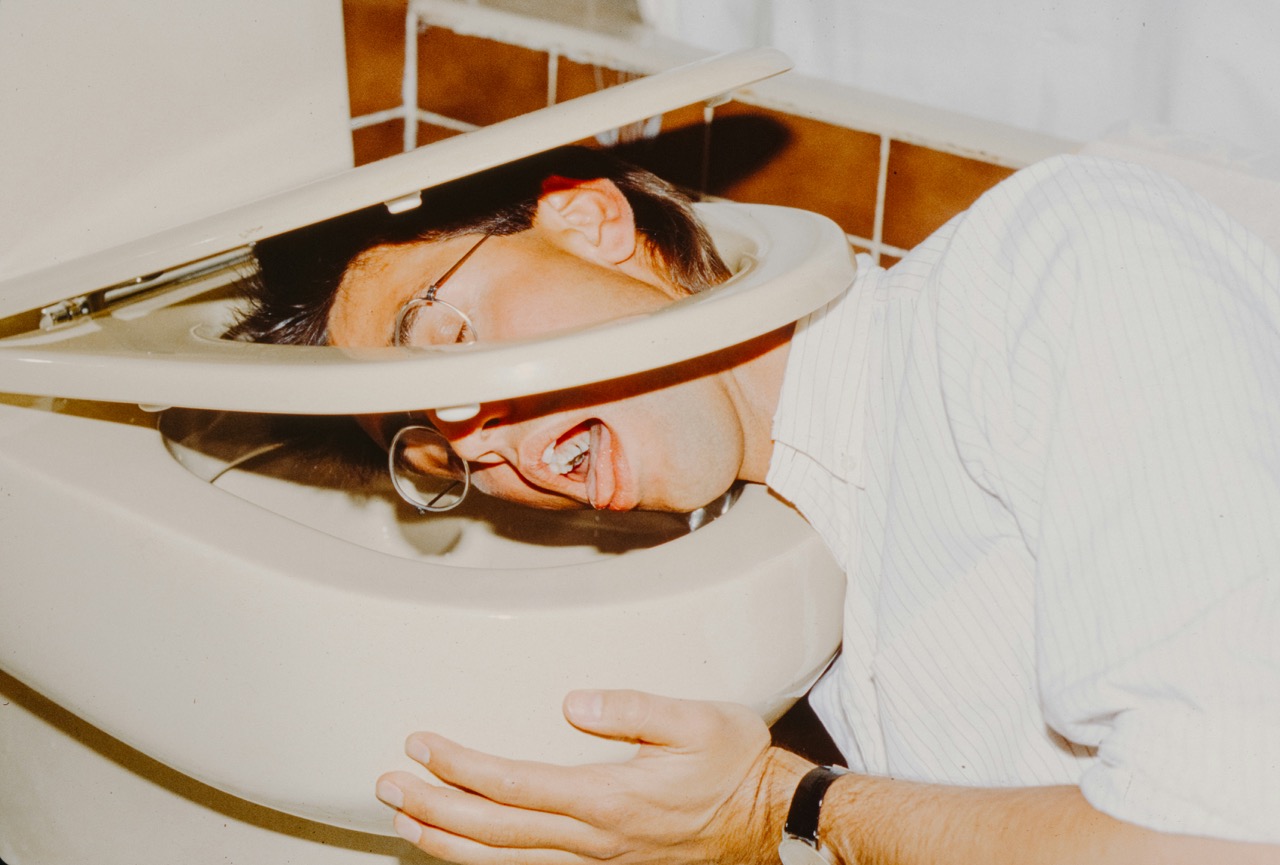
Getting told “everything looks normal” while you’re still nauseated, still retching, and still can’t keep water down is one of the most frustrating experiences there is.
Normal tests do not mean you’re faking it. They usually mean the ER team ruled out the fastest, scariest causes of vomiting (appendicitis, bowel blockage, bleeding, severe infection, etc.). The question becomes: what condition can cause real, repeated vomiting while leaving imaging and basic labs mostly normal?
One answer that fits this pattern for many people is Cannabinoid Hyperemesis Syndrome (CHS): recurrent nausea/vomiting associated with frequent, long-term cannabis use, often with temporary relief from hot showers or baths.
CHS is primarily a clinical diagnosis. That means it’s recognized by a pattern (symptoms + history) more than by one definitive scan or lab value. Emergency medicine guidance and clinical references emphasize that many tests can be unrevealing in CHS, especially early, which is part of why it gets missed.
What the ER is actually “clearing” with normal results
When you have severe vomiting and abdominal pain, clinicians usually try to rule out problems that need immediate intervention. A “normal” workup often means:
No clear surgical emergency on imaging (like a bowel obstruction or appendicitis)
No obvious organ injury pattern on labs (though dehydration can still show up)
No red-flag findings that point to one single alternative cause
That doesn’t make the vomiting any less real. It just means the most dangerous causes weren’t found in that moment.
What can still be abnormal (and why it matters)
Even when the CT is normal, vomiting can cause medically important changes:
Dehydration
Electrolyte problems (which can affect the heart and muscles)
Kidney stress/injury if dehydration is severe
Esophagus irritation/tears from repeated retching
If your symptoms are escalating, don’t let “normal tests yesterday” stop you from going back.
The pattern that makes CHS more likely (even with normal tests)
CHS becomes much more plausible when the vomiting pattern matches and the cannabis pattern matches. Common clues include:
You use cannabis frequently (often daily or near-daily) and have for a long time
The nausea often hits in the morning or comes in cycles
You notice hot showers help, even temporarily
You’ve tried typical nausea meds and they didn’t do much
You’ve had repeat episodes and repeat ER visits without a clear diagnosis
Separately, multiple studies show CHS-related ED encounters have increased over time in some settings (which likely reflects a mix of changing products, changing use patterns, and better recognition). For example:
How to advocate for yourself (without sounding defensive)
If you’re worried you’re being dismissed because tests are normal, focus on the pattern and the safety issues:
“I’m vomiting repeatedly and can’t keep fluids down.”
“This keeps happening in cycles.”
“I use cannabis most days (vape/flower/edibles), and I’m worried this could be CHS.”
“Hot showers help temporarily.”
“I’m concerned about dehydration and electrolytes.”
If you’ve had multiple CTs already, it’s reasonable to mention it:
“I’ve had multiple CT scans for this. If you think imaging is needed again, can you tell me what new danger you’re looking for today?”
That keeps the conversation medical and practical.
What to do next if CHS is on the table
1) Treat dehydration risk as urgent. If you can’t keep fluids down, you need medical care.
2) Track the pattern for 7-14 days. It helps you and it helps a clinician:
time of day symptoms hit
what cannabis products you used (and how often)
whether hot showers help
whether symptoms come in episodes
3) Take the “recurrence” part seriously. CHS is strongly associated with repeated cycles. If this is your second or third unexplained vomiting spell and cannabis use is frequent, don’t ignore that connection.
4) If stopping cannabis feels impossible, that’s not a moral failure. It can be a sign of Cannabis Use Disorder, and help exists. Start with the overview: The Dangers of THC Poisoning.
Disclaimer
This is educational information, not medical advice. Persistent vomiting can become dangerous quickly. If you have severe symptoms or signs of dehydration, seek urgent or emergency care.
If you’re here because you feel sick after weed, keep waking up nauseated, or you’re trying to figure out whether cannabis is causing your stomach problems, you’re not alone.
CHS (Cannabinoid Hyperemesis Syndrome) is linked to frequent, long-term cannabis use. Most people only hear about CHS once the vomiting gets intense. The frustrating part is that CHS often starts as a quieter “something is off” phase that can last months or even years (Cleveland Clinic describes this as the prodromal phase in its CHS overview).
This page is a long-form guide to the early warning signs of CHS, the patterns that make it more likely, and what to do next. It’s written for real people, not clinicians, but it’s grounded in reputable medical sources (Cleveland Clinic, StatPearls/NCBI, AGA, JAMA, and a CHS systematic review).
Quick definition (so we’re talking about the same thing)
CHS is a condition where frequent cannabis use over time is associated with cycles of nausea, vomiting, and abdominal pain. A common clue is that hot showers or baths can temporarily relieve symptoms (see the JAMA Patient Page on CHS and StatPearls/NCBI Bookshelf).
The only long-term fix consistently emphasized across major sources is stopping cannabis use (Cleveland Clinic; JAMA; StatPearls).
Early recognition gives you a chance to avoid the “can’t stop vomiting” phase entirely.
The CHS phases (where early warning signs fit)
Many sources describe CHS in phases:
Prodromal (early): morning nausea and abdominal discomfort; fear of vomiting; sometimes no vomiting yet; can last months or years (Cleveland Clinic).
Hyperemetic: intense, repeated vomiting; abdominal pain; dehydration; many people start hot bathing compulsively (Cleveland Clinic; JAMA; StatPearls).
Recovery: symptoms lessen after stopping cannabis; can resolve over days to months (Cleveland Clinic; StatPearls).
This article is about that first stage: the early signs that often get brushed off.
Early warning signs of CHS (what people notice first)
Early CHS can look like a lot of things. What raises suspicion is the combination of symptoms plus the cannabis pattern.
1) Morning nausea that keeps coming back
Cleveland Clinic explicitly lists persistent nausea, often in the morning, and describes morning nausea as part of the prodromal phase.
How it often shows up in real life:
You wake up nauseated for no obvious reason.
You’re okay by late morning or afternoon, then the next morning it’s back.
You start planning your mornings around “will I feel sick?”
One-off nausea is common. Repeating morning nausea on many days, over weeks, is different.
2) Stomach pain or “my gut just feels wrong”
Abdominal discomfort or pain is common in CHS descriptions (Cleveland Clinic; JAMA; StatPearls). Early on, people describe:
Tightness or cramping in the upper stomach area
A gnawing, hollow, or burning feeling
Getting nauseated after meals (and then avoiding meals)
3) Fear of vomiting (and changing your day around it)
Cleveland Clinic includes “fear of throwing up” as a symptom. This one sounds small, but it changes behavior:
You skip breakfast because mornings are unreliable.
You stop making morning plans.
You carry “just in case” supplies.
You avoid foods that used to be fine.
4) Appetite changes and early weight loss
Loss of appetite is listed as a symptom (Cleveland Clinic). Weight loss can follow if you’re consistently eating less or you start avoiding food because it feels risky.
5) Cannabis starts feeling like the “solution”… but the problem keeps returning
This is the paradox that confuses people. The AGA summary notes that patients sometimes report cannabis relieves symptoms, even though CHS is associated with chronic heavy use (see AGA clinical guidance: CHS diagnosis and management).
In early CHS, people often fall into this loop:
Nausea hits → use cannabis to settle it.
It helps for a while.
Nausea keeps coming back anyway.
You start using earlier in the day, or more often, to stay ahead of it.
If cannabis has become your “anti-nausea medication,” and nausea is still recurring, treat that as a warning sign.
6) Hot showers start feeling like the only reliable relief
Not everyone notices this early. But if you do, it’s a big clue.
The early symptoms matter more if the cannabis exposure pattern fits CHS.
Frequent use over time (more days than not)
Different sources describe “frequent and long-term” slightly differently, but the theme is consistent:
JAMA describes heavy cannabis use typically daily or multiple times per day for more than 1 year as a risk factor, and uses frequency + symptom pattern + cessation response in diagnostic framing.
AGA describes CHS as associated with chronic (typically years) and heavy (typically daily or near-daily) use.
Cleveland Clinic notes symptoms often begin after years of chronic use and describes risk with long-term use.
If you use cannabis many days a week (especially daily) and you’ve done that for a long time, CHS belongs on the list.
JAMA notes rising CHS trends alongside increases in THC concentration. If your “weed” is mostly high-THC concentrates or vapes, your exposure can be dramatically higher than what people mean when they casually say “I smoke sometimes.”
“Legal weed” still counts as cannabinoid exposure
This comes up constantly now. THC-A, delta-8, delta-10, and similar products can still lead to meaningful THC exposure. If you’re using these frequently and developing nausea/vomiting patterns, don’t dismiss it because the label says hemp-derived.
CHS vs. stomach bug vs. food poisoning vs. cyclic vomiting (quick comparison)
This isn’t a diagnosis. It’s a way to think more clearly.
Feature
Early CHS
Stomach bug
Food poisoning
Cyclic Vomiting Syndrome (CVS)
Timing
Often morning nausea; repeating pattern over weeks/months
Sudden onset; usually days
Sudden onset after a meal; usually days
Cycles over time
Cannabis link
Frequent long-term use is a key piece
No
No
Not caused by cannabis (though cannabis may be used)
Hot showers help
Often yes, sometimes dramatically
Not typical
Not typical
Can happen, but less specific
Between episodes
Can feel mostly normal early on
Usually fully resolves
Usually fully resolves
Often normal between episodes
What changes it
Stopping cannabis tends to help over time
Rest/fluids; time
Time/fluids; sometimes antibiotics
Trigger management; specialist care
StatPearls emphasizes that the differential is broad and CHS can resemble other conditions, including CVS (see StatPearls/NCBI Bookshelf). If you’re unsure, the safest move is medical evaluation, especially if dehydration is on the table.
A practical self-check you can do this week
If you’re not sure what’s happening, spend 7-14 days tracking a few things. It’s surprisingly helpful in a doctor’s office.
When nausea hits (morning only vs all day)
Whether you vomit, retch, or just feel nauseated
Whether hot showers help (and how often you’re doing it)
What cannabis you used (flower vs vape vs concentrates vs edibles; how often)
Hydration signals (dark urine, dizziness, fast heartbeat, confusion)
If the pattern keeps repeating and the cannabis use is frequent, it’s reasonable to bring up CHS directly.
What to do if early CHS sounds like you
1) Don’t wait for it to “prove itself”
The hyperemetic phase can be brutal and risky. You don’t need to “earn” that experience to take the early stage seriously.
2) The only long-term fix is stopping cannabis
Cleveland Clinic and JAMA both state that stopping cannabis is the way CHS resolves long-term. StatPearls similarly frames cessation as the definitive treatment (see Cleveland Clinic, JAMA, and StatPearls).
If stopping feels impossible, treat that as a health issue too. Cannabis Use Disorder is real, and support exists.
3) Tell clinicians the details that make CHS visible
CHS is often missed when cannabis use isn’t mentioned (Cleveland Clinic and StatPearls both point to this).
Try phrasing like:
“I use cannabis most days. I’ve used for years.”
“I keep waking up nauseated.”
“Hot showers help.”
“I’m worried this could be CHS.”
You’re not asking for a label. You’re giving the information that helps clinicians rule things in or out.
When to seek urgent or emergency care
Go to urgent care or the ER if you can’t keep fluids down, you’re vomiting repeatedly, or you have signs of dehydration (Cleveland Clinic lists specific dehydration warning symptoms; JAMA describes serious complications). See Cleveland Clinic’s CHS page and the JAMA Patient Page on CHS.
Yes. Cleveland Clinic describes the prodromal phase as potentially lasting months or years and sometimes involving fear of vomiting without vomiting.
“Why do I feel worse in the morning?”
Morning-predominant nausea is commonly described (Cleveland Clinic). There isn’t a single agreed-upon mechanism, but the pattern is common enough that it’s repeatedly mentioned in clinical summaries.
“If hot showers help, does that mean it’s definitely CHS?”
Not definitely. But it’s a strong clue when it’s paired with frequent long-term cannabis use (StatPearls; JAMA; Sorensen systematic review).
“Is scromiting an early sign?”
Scromiting is usually associated with more severe episodes (Cleveland Clinic and other sources describe it as screaming + vomiting). It’s not typically how CHS starts, but it’s a sign that symptoms have escalated. What is scromiting in relation to CHS?
“What if I switch to THC-A / delta-8 / delta-10 instead?”
Switching products doesn’t reliably fix the pattern if you’re still getting significant cannabinoid exposure. If the underlying issue is cannabinoid-related vomiting cycles, the safest approach is stopping cannabinoid products and discussing the situation with a clinician. Does THC-A cause CHS? Understanding “legal weed” and CHS
This is educational information, not medical advice. If you think you may have CHS or you have severe symptoms, get evaluated by a licensed healthcare professional. If you can’t keep fluids down or you have signs of severe dehydration, seek emergency care.
As researchers explore new treatment options for Cannabinoid Hyperemesis Syndrome (CHS), some people have wondered whether GLP-1 medications-the same drugs used for diabetes and weight management-might help with cannabis cessation or CHS symptoms. These medications, which include semaglutide (Ozempic, Wegovy) and liraglutide (Saxenda), have gained attention for their effects on appetite and substance use patterns.
The short answer is: There is currently no research evidence to support using GLP-1 medications specifically for treating cannabis hyperemesis syndrome or helping CHS patients stop using cannabis. While these medications have shown promise in other contexts, no studies have examined their effectiveness for CHS patients.
What Are GLP-1 Medications?
GLP-1 (glucagon-like peptide-1) receptor agonists are medications originally developed for type 2 diabetes. They work by mimicking a hormone that helps regulate blood sugar and appetite. More recently, some formulations have been approved for weight management because they can reduce appetite and slow stomach emptying.
These medications have also been studied for their potential effects on substance use behaviors, including alcohol use disorder and other addictions. This has led some to wonder whether they might help people with CHS stop using cannabis, which is the only true cure for the condition.
The Research Gap
A comprehensive review of the medical literature searched over 138 million academic papers to find studies examining whether GLP-1 medications are more effective than standard treatments for helping CHS patients stop using cannabis. The search found zero studies that directly addressed this question.
This is a significant research gap. CHS is a serious condition that can cause life-threatening dehydration and electrolyte imbalances. Many people with CHS struggle to stop using cannabis, and standard antiemetic medications often don’t provide adequate relief during acute episodes. If GLP-1 medications could help with cannabis cessation in CHS patients, it would be valuable information-but we simply don’t have that data yet.
What the Available Research Actually Shows
While there are no studies on GLP-1 medications for CHS, there is one study that examined semaglutide in relation to cannabis use-but it looked at a completely different population and condition.
The study examined patients with obesity and type 2 diabetes who were prescribed semaglutide or other medications. It found that people taking semaglutide had lower rates of being diagnosed with cannabis use disorder compared to people taking other medications for their conditions.
Specifically, the study found:
About 44% lower risk of developing new cannabis use disorder in patients with obesity
About 38% lower risk of recurring cannabis use disorder in patients with obesity
Similar patterns in patients with type 2 diabetes
Why This Doesn’t Apply to CHS
While these findings might seem promising, they don’t tell us anything about whether GLP-1 medications could help CHS patients. Here’s why:
Different Population
The study didn’t include any patients with cannabis hyperemesis syndrome. Instead, it looked at people with obesity and diabetes who happened to have cannabis use disorder. CHS is a distinct condition that affects people differently than general cannabis use disorder.
CHS patients often have a specific pattern of symptoms-severe cyclical vomiting, nausea, and abdominal pain that’s temporarily relieved by hot showers. They may have been using cannabis for years before developing CHS, and the condition creates a unique challenge for cessation because symptoms can worsen during withdrawal periods.
Different Outcomes
The study measured medical diagnoses of cannabis use disorder through electronic health records, not actual cannabis cessation or CHS symptom relief. It didn’t track:
Whether people actually stopped using cannabis
How much their cannabis use decreased
Whether CHS symptoms improved
Emergency department visits for CHS
Quality of life measures
These are the outcomes that matter for CHS patients, but the study didn’t measure them.
Different Context
The study was observational and retrospective, meaning it looked back at existing medical records rather than actively testing whether semaglutide helps people stop using cannabis. This type of study can show associations but cannot prove that semaglutide caused the lower rates of cannabis use disorder diagnoses.
There could be many reasons why people taking semaglutide had fewer cannabis use disorder diagnoses that have nothing to do with the medication itself. For example, people who are actively managing their diabetes or obesity with medication might be more engaged in their healthcare overall, or they might have different motivations or support systems.
The Need for Dedicated Research
The research review concluded that “the comparative effectiveness of GLP intervention versus standard treatment for cannabis cessation in CHS patients remains unknown and requires dedicated research in this specific clinical population.”
Compare GLP-1 medications to standard CHS treatment protocols
Measure actual cannabis cessation outcomes (not just diagnoses)
Track CHS symptom resolution
Monitor safety and side effects in CHS patients
Follow patients long enough to see if cessation is sustained
Until such research is conducted, we cannot know whether GLP-1 medications might be helpful for CHS patients trying to stop using cannabis.
Why This Matters
CHS is a challenging condition to treat. Standard antiemetic medications like ondansetron and prochlorperazine are often ineffective, which is why researchers have been exploring new treatment options like aprepitant. The fact that there’s no research on GLP-1 medications for CHS represents a missed opportunity to potentially help people who are struggling.
If GLP-1 medications could help CHS patients stop using cannabis-which is the only true cure for the condition-that would be valuable information. But we need proper research to answer that question, not assumptions based on studies in completely different populations.
What This Means for People with CHS
If you’re dealing with CHS and wondering whether a GLP-1 medication might help you stop using cannabis, here’s what you should know:
There’s No Evidence Yet
Currently, there’s no research to support using GLP-1 medications specifically for CHS or cannabis cessation in CHS patients. This doesn’t mean they definitely won’t work-it just means we don’t have the data to know either way.
Standard Approaches Remain the Foundation
The only proven cure for CHS is complete and permanent cessation of cannabis use. While this can be challenging, especially during withdrawal periods when symptoms may temporarily worsen, it’s the only approach with clear evidence of effectiveness.
Treatment During Episodes
For managing acute CHS episodes, emerging treatments like aprepitant may be more effective than traditional antiemetics. Supportive care including IV fluids for hydration is crucial, as severe dehydration can be life-threatening.
Talk to Your Doctor
If you’re interested in exploring GLP-1 medications, discuss this with your healthcare provider. They can help you understand:
Whether a GLP-1 medication might be appropriate for other health conditions you have
The potential risks and benefits
That there’s no evidence specifically for CHS
Other options for supporting cannabis cessation
Your doctor can also help you access resources for stopping cannabis use, such as addiction medicine specialists or outpatient programs.
The Research Landscape Moving Forward
The fact that semaglutide showed associations with lower cannabis use disorder rates in other populations has generated interest in whether these medications might help with substance use more broadly. However, translating findings from one population to another requires careful research.
For CHS specifically, we need studies designed to answer the right questions:
Can GLP-1 medications help CHS patients achieve and maintain cannabis cessation?
Do they provide any benefit beyond standard cessation support?
Are they safe for CHS patients, who may have specific health considerations?
How do they compare to other emerging treatments like aprepitant for managing acute episodes?
These are important questions that deserve dedicated research. Until that research is conducted, we’re operating without evidence-which means we can’t confidently recommend GLP-1 medications for CHS, even if they might theoretically have benefits.
Conclusion
GLP-1 medications have shown promise in various contexts, from diabetes management to weight loss to potentially reducing substance use in some populations. However, when it comes to cannabis hyperemesis syndrome specifically, we’re facing a significant research gap.
There is currently no evidence to support using GLP-1 medications for treating CHS or helping CHS patients stop using cannabis. The single study that examined these medications in relation to cannabis use looked at completely different populations and outcomes, so its findings don’t apply to CHS.
This doesn’t mean GLP-1 medications definitely won’t help-it just means we need proper research to find out. Until that research is conducted, the only proven cure for CHS remains complete and permanent cessation of cannabis use, supported by appropriate medical care during acute episodes.
If you’re struggling with CHS, focus on proven approaches: complete cessation, medical support during episodes, and emerging treatments like aprepitant that have shown promise specifically for CHS. As research continues to evolve, we may learn more about whether GLP-1 medications have a role to play-but for now, we’re working with the evidence we have, not the evidence we wish we had.
Cannabinoid Hyperemesis Syndrome (CHS) is a challenging condition that affects people who use cannabis regularly. When people experience the severe nausea, vomiting, and abdominal pain that characterize CHS, they often wonder: is there a cure? What will cure THC poisoning? Can anything make this stop?
The short answer is both straightforward and complex: The only definitive cure for CHS is complete and permanent cessation of cannabis use. However, there are treatments that can help manage symptoms during episodes, and emerging research is exploring new medications that may provide relief. Understanding the difference between treatment and cure is crucial for anyone dealing with this condition.
Understanding What “Cure” Means for CHS
When people ask what will cure THC poisoning or CHS, it’s important to understand what that means. Unlike some medical conditions where a medication can eliminate the problem, CHS is directly caused by chronic cannabis use. The cannabinoids in cannabis-particularly THC-accumulate in the body over time and disrupt the normal functioning of the endocannabinoid system, which plays a role in regulating nausea, vomiting, and gastrointestinal function.
Think of it like this: if you have an allergic reaction to something you’re eating, the reaction will continue as long as you keep eating that food. Similarly, CHS symptoms will continue and worsen as long as you continue using cannabis. The body needs time to clear the accumulated cannabinoids and for the endocannabinoid system to return to normal function. This is why there’s no medication that can cure CHS while cannabis use continues-the underlying cause must be addressed first.
Any other cannabis-derived products containing cannabinoids
When someone stops using cannabis completely, their symptoms typically resolve within days to weeks, though some people may experience lingering effects for longer periods. The key is permanent cessation-returning to cannabis use will cause CHS symptoms to return, often more severely than before.
Treatment Options During CHS Episodes
While there’s no medication that “cures” CHS while continuing cannabis use, several treatments can help manage symptoms during acute episodes:
Standard Antiemetic Medications
Traditional anti-nausea medications are often tried first, though they have limited effectiveness in CHS. Standard first-line antiemetics such as ondansetron and prochlorperazine are often ineffective in treating cannabinoid hyperemesis syndrome, which is one reason why CHS can be so difficult to manage:
Ondansetron (Zofran): A 5-HT3 receptor antagonist commonly used for nausea, but often ineffective in CHS
Prochlorperazine: Another standard antiemetic that frequently fails to provide relief in CHS cases
Promethazine (Phenergan): An antihistamine with antiemetic properties
Metoclopramide (Reglan): A prokinetic agent that can help with gastric emptying
Haloperidol: An antipsychotic that has shown some effectiveness in CHS cases
Unfortunately, many people with CHS find that these standard medications don’t provide adequate relief, which is why researchers are exploring new treatment options like aprepitant that target different pathways in the body’s nausea and vomiting response.
While these methods provide temporary relief, they’re not cures-they’re symptom management techniques that can help people get through acute episodes.
Emerging Treatment: Aprepitant
Recent research has explored the use of aprepitant (brand name Emend) as a potential treatment for CHS. Aprepitant is a neurokinin-1 (NK-1) receptor antagonist that’s currently approved for preventing chemotherapy-induced and postoperative nausea and vomiting.
A study published in Cureus examined the emerging role of aprepitant in treating CHS. The research suggests that aprepitant may be more effective than traditional antiemetics for CHS because it targets different pathways in the brain’s vomiting center.
How Aprepitant Works
Aprepitant works by blocking neurokinin-1 receptors in the brain. These receptors are involved in the body’s nausea and vomiting response. By blocking these receptors, aprepitant can interrupt the cycle of severe nausea and vomiting that characterizes CHS episodes.
The medication is typically given in a hospital setting, often as part of a treatment protocol that includes:
Intravenous aprepitant (or oral formulation)
Supportive care including IV fluids for hydration
Other medications as needed
What the Research Shows
Aprepitant has been identified as having strong potential in treating protracted vomiting episodes in individuals with CHS. This is particularly significant because standard first-line antiemetics such as ondansetron (Zofran) and prochlorperazine are often ineffective in treating cannabinoid hyperemesis syndrome.
Case studies and small clinical reports have shown promising results with aprepitant in CHS patients who haven’t responded to standard treatments. The fact that aprepitant targets different pathways (NK-1 receptors) than traditional antiemetics may explain why it appears to be more effective for CHS, which doesn’t respond well to medications that work for other types of nausea and vomiting.
However, it’s important to note that:
Aprepitant is not a cure-it’s a treatment for acute episodes
Research is still emerging, and larger studies are needed
The medication must be prescribed by a healthcare provider
It’s typically used in emergency or hospital settings
Cannabis cessation is still required for long-term resolution
Aprepitant may help break the cycle of severe vomiting during an acute CHS episode, which can be life-threatening due to dehydration and electrolyte imbalances. This can buy time and provide relief while the person works toward complete cannabis cessation.
The Broader Context of NK-1 Receptor Antagonists
Aprepitant belongs to a class of medications called NK-1 receptor antagonists. Research has explored the potential of these medications for various conditions beyond their current approved uses. While plans to develop aprepitant specifically as an antidepressant were withdrawn, other NK-1 receptor antagonists have shown promising results in clinical trials for depression and other conditions. This suggests that the NK-1 receptor pathway may play important roles in multiple systems in the body, which could explain why aprepitant appears effective for CHS when other antiemetics fail.
The broader research into NK-1 receptor antagonists highlights that these medications may have therapeutic potential beyond their current uses, though much of the data remains proprietary and more research is needed to fully understand their potential applications.
Supportive Care and Hospital Treatment
During severe CHS episodes, hospitalization is often necessary. Treatment in the hospital typically includes:
IV Fluids: To treat dehydration and restore electrolyte balance
Pain Management: For severe abdominal pain
Antiemetic Medications: Including aprepitant or other options
Monitoring: For complications like kidney injury or electrolyte abnormalities
Psychiatric Support: To help with cannabis cessation and withdrawal
What to Ask for at the Hospital
If you’re experiencing severe CHS symptoms and need to go to the hospital, it’s important to advocate for yourself. Not all healthcare providers are familiar with CHS or the most effective treatment options. Here’s what you should know:
Be Honest About Your Cannabis Use
The most important thing you can do is be completely honest with your healthcare providers about your cannabis use. This information is crucial for proper diagnosis and treatment. Some people feel embarrassed or worried about judgment, but healthcare providers need this information to help you effectively.
Ask About CHS-Specific Treatments
If standard antiemetic medications aren’t working, you can ask your doctor about:
Aprepitant (Emend): This is a newer treatment option that may be more effective for CHS than traditional antiemetics. Research suggests it may work better because it targets different pathways in the brain’s vomiting center. You can ask: “I’ve heard that aprepitant might be more effective for CHS than standard antiemetics. Is that something we could try?”
Haloperidol: Some studies have shown this antipsychotic medication can be effective for CHS when other treatments fail. It’s not a first-line treatment, but it may be worth discussing if other options haven’t worked.
Request Proper Hydration and Monitoring
Severe CHS episodes can cause life-threatening dehydration and electrolyte imbalances. Make sure your healthcare team is:
Providing adequate IV fluids
Monitoring your electrolyte levels (sodium, potassium, etc.)
Checking kidney function
Monitoring for complications
Ask About Pain Management
The abdominal pain associated with CHS can be severe. Don’t hesitate to ask for appropriate pain management if you’re in significant discomfort.
Request Information About Cannabis Cessation Support
While you’re in the hospital, ask about resources for stopping cannabis use. Many hospitals have addiction medicine specialists or can refer you to outpatient programs that can help with cessation and withdrawal management.
What If Your Doctor Doesn’t Know About CHS?
Unfortunately, not all healthcare providers are familiar with CHS. If your doctor seems unfamiliar with the condition, you can:
Politely mention that you believe you may have Cannabinoid Hyperemesis Syndrome
Explain that you’ve found that hot showers provide temporary relief (this is a distinctive feature of CHS)
Ask if they could consult with a gastroenterologist or emergency medicine specialist who may be more familiar with the condition
Request that they look up current treatment guidelines for CHS
Remember: You have the right to advocate for your care. If you’re not getting relief from standard treatments, it’s appropriate to ask about alternative options like aprepitant, especially if you’re experiencing severe, persistent symptoms.
The Reality of Treatment vs. Cure
It’s important to be clear about what treatments can and cannot do:
What treatments CAN do:
Provide relief during acute episodes
Prevent life-threatening complications like severe dehydration
Help manage symptoms while working toward cessation
Support the body’s recovery process
What treatments CANNOT do:
Cure CHS while continuing cannabis use
Prevent future episodes if cannabis use resumes
Replace the need for complete cessation
Work permanently without addressing the root cause
Why There’s No “Magic Pill”
Some people hope for a medication that will cure THC poisoning or allow them to continue using cannabis without experiencing CHS symptoms. Unfortunately, this isn’t how CHS works. The condition develops because the body’s endocannabinoid system becomes overwhelmed and dysregulated by chronic cannabinoid exposure. No medication can fix this underlying problem while cannabinoids continue to be introduced into the system.
The endocannabinoid system needs time to reset, and this can only happen when cannabis use stops completely. This is why even the most promising treatments like aprepitant are used to manage acute episodes, not as long-term solutions that allow continued cannabis use. There is no medication that can cure CHS while cannabis use continues-the only true cure is complete cessation.
The Path Forward
If you’re suffering from CHS, here’s what you need to know:
Complete cessation is the only cure-but it works. Many people see significant improvement within days of stopping cannabis use.
Treatment options exist for managing acute episodes, including emerging treatments like aprepitant that may be more effective than traditional antiemetics.
Medical support is crucial-don’t try to manage severe CHS episodes alone. Dehydration and electrolyte imbalances can be life-threatening.
Recovery is possible-with complete cessation, most people fully recover from CHS, though the timeline varies from person to person.
Prevention is key-once you’ve recovered, returning to cannabis use will cause CHS to return. The only way to prevent future episodes is permanent abstinence.
Talking to Your Doctor
If you’re experiencing CHS symptoms and wondering what will cure THC poisoning or CHS, it’s important to talk to a healthcare provider who understands the condition. Be honest about your cannabis use-this information is crucial for proper diagnosis and treatment. Your doctor can:
Confirm the diagnosis
Provide appropriate treatment during acute episodes
Discuss options like aprepitant if standard treatments aren’t working
Support you in cannabis cessation
Monitor your recovery
Some emergency departments and hospitals are becoming more familiar with CHS and newer treatment options. If you’re in a severe episode, don’t hesitate to seek emergency care. When you go to the hospital, be prepared to advocate for yourself and ask about treatment options that may be more effective for CHS specifically.
What will cure THC poisoning?
The question “Is there a cure for CHS?” or “What will cure THC poisoning?” has a clear answer: Yes, but it requires complete and permanent cessation of cannabis use. While this may seem daunting, it’s important to remember that:
The cure is within your control
Treatment options exist to help you through acute episodes
Recovery is possible and often happens relatively quickly
Medical support is available to help you through the process
Emerging treatments like aprepitant may offer better symptom management during acute episodes, which can be crucial for people experiencing severe, life-threatening symptoms. However, these treatments are tools to help you get through the crisis, not replacements for the fundamental solution of cannabis cessation.
If you’re struggling with CHS, know that you’re not alone, and that recovery is possible. The path forward involves stopping cannabis use completely and working with healthcare providers who can support you through both the acute episodes and the long-term recovery process. When you need hospital care, don’t hesitate to ask about treatment options that may be more effective for CHS, including newer medications like aprepitant if standard treatments aren’t providing relief.
If you’re using THC-A, CBD, or other forms of “legal weed” and experiencing nausea, vomiting, or abdominal pain, you might be wondering: can these products cause CHS? The short answer is yes-any cannabinoid product, including THC-A, CBD, and various legal alternatives, can potentially cause Cannabinoid Hyperemesis Syndrome (CHS). Understanding this connection is crucial, especially as more people turn to legal cannabis alternatives thinking they’re safer.
The Short Answer: Yes, THC-A Can Cause CHS
THC-A (tetrahydrocannabinolic acid) can absolutely cause CHS, even though it’s often marketed as “non-psychoactive” or “legal.” Here’s why:
THC-A Converts to THC
THC-A is the acidic precursor to THC found in raw cannabis. While THC-A itself isn’t psychoactive in its raw form, it converts to THC when heated. This conversion happens through a process called decarboxylation, which occurs when you:
Smoke cannabis (the heat from the flame converts THC-A to THC)
Vape cannabis (the heating element converts THC-A to THC)
Cook or bake with cannabis (oven heat converts THC-A to THC)
Dab concentrates (the high heat converts THC-A to THC)
Even if you’re consuming “THC-A flower” or “THC-A products,” once you heat them for consumption, you’re getting THC-the same compound that causes CHS in regular cannabis products.
The Legal Loophole Doesn’t Change the Chemistry
THC-A products are often sold as “legal” because they contain less than 0.3% delta-9-THC in their raw form. However, this legal distinction doesn’t change what happens in your body. When you consume THC-A products (by smoking, vaping, or heating them), you’re still exposing yourself to THC, which means you’re still at risk for developing CHS.
Important note: The legal landscape for THC-A is rapidly changing. In 2024, the DEA clarified that THC-A is a controlled substance because it converts to THC upon decarboxylation, making it illegal at the federal level. In November 2025, Congress took a major step to close the hemp loophole through Section 781 of the Continuing Appropriations and Extensions Act of 2026, which changes the federal definition of hemp to include “total tetrahydrocannabinols concentration (including tetrahydrocannabinolic acid [THCa])” and sets strict limits on final hemp-derived products.
This new definition, set to take effect in November 2026, will effectively ban most high-THC-A products at the federal level. Additionally, many states are closing the hemp loophole, with Arizona, Alabama, Florida, Louisiana, Arkansas, and Tennessee implementing bans or strict regulations on THC-A products. These legal changes don’t affect the CHS risk-THC-A can still cause CHS regardless of its legal status.
CBD and CHS: Less Common, But Still Possible
Many people assume that CBD (cannabidiol) is safe and can’t cause CHS because it’s non-psychoactive. However, this isn’t entirely accurate:
CBD-Only Products
Pure CBD isolate products are less likely to cause CHS, but they’re not completely risk-free. Some case reports have documented CHS-like symptoms in people using high doses of CBD products, though this is much rarer than with THC-containing products.
Full-Spectrum and Broad-Spectrum CBD
The bigger concern is with full-spectrum and broad-spectrum CBD products, which contain:
Multiple cannabinoids, including small amounts of THC
Terpenes and other cannabis compounds
Trace amounts of THC that can accumulate over time
Even if a product is labeled as “hemp-derived” and contains less than 0.3% THC, regular use of full-spectrum products can lead to THC accumulation in your system, potentially causing CHS.
The Accumulation Problem
When you use full-spectrum CBD products regularly, even small amounts of THC can build up in your body over time. This is especially true if you’re:
Using high doses of CBD products
Using them multiple times per day
Using them for extended periods (months or years)
Combining them with other cannabinoid products
The cumulative effect of these small THC amounts can be enough to trigger CHS in susceptible individuals.
Other “Legal Weed” Alternatives and CHS
The market is flooded with various legal cannabis alternatives, and many of them can cause CHS:
Delta-8 THC
Delta-8 THC is a cannabinoid that’s chemically similar to delta-9-THC (regular THC) but with slightly different effects. It’s often sold as “legal weed” because it can be derived from hemp. However:
Delta-8 activates the same cannabinoid receptors as delta-9-THC
It can cause the same CHS symptoms
Case reports have documented CHS from delta-8 use
The legal status doesn’t make it safer for CHS risk
Delta-10 THC
Delta-10 THC is another THC variant being sold as a legal alternative. Like delta-8, it can cause CHS because it activates cannabinoid receptors in similar ways. However, the legal status of delta-10 is also changing. For example, Maryland’s court closed the hemp loophole in 2025, declaring delta-8 and delta-10 THC illegal under state law, while Georgia’s court upheld their legality in 2023. These legal variations don’t change the CHS risk-delta-10 can still cause the same symptoms regardless of where it’s legal.
HHC (Hexahydrocannabinol)
HHC is a hydrogenated form of THC that’s also being marketed as legal. It has psychoactive effects and can contribute to CHS development.
THCP, THCB, and Other Novel Cannabinoids
New cannabinoids are constantly being developed and marketed, often with claims about being “legal” or “safer.” However, any compound that activates CB1 receptors (the main cannabinoid receptors in the brain) can potentially contribute to CHS.
The Common Thread
All of these “legal” alternatives share a critical characteristic: they activate cannabinoid receptors, particularly CB1 receptors. Chronic activation of these receptors is what leads to CHS, regardless of the legal status of the product or which specific cannabinoid it contains.
Why “Legal” Doesn’t Mean “Safe for CHS”
There’s a dangerous misconception that if a cannabis product is “legal,” it must be safe or less likely to cause CHS. This isn’t true:
Legal Status vs. Biological Effects
Legal status is determined by laws and regulations, not by safety or biological effects
CHS risk is determined by how cannabinoids affect your body, not by their legal status
A product can be completely legal and still cause CHS
The Hemp Loophole
Many “legal” products exploit the 2018 Farm Bill, which legalized hemp containing less than 0.3% delta-9-THC. However, this loophole is being closed at both the federal and state levels:
This threshold is arbitrary and based on legal definitions, not safety
Products can still contain other forms of THC (delta-8, delta-10, etc.)
Regular use can lead to THC accumulation regardless of the initial concentration
The legal distinction doesn’t protect you from CHS
Federal changes: In November 2025, Congress passed Section 781 of the Extensions Act, which closes the hemp loophole by redefining hemp to include “total tetrahydrocannabinols concentration (including tetrahydrocannabinolic acid [THCa])” and banning final hemp-derived products containing more than 0.4 milligrams of total THC per container. This new definition takes effect in November 2026 and will effectively ban most high-THC-A products at the federal level.
States are cracking down: Wisconsin faces potential federal bans, and multiple states have implemented “total THC” rules that include THC-A in their calculations, effectively banning high-THC-A products
The legal landscape is shifting dramatically, but the health risks remain the same regardless of whether these products are legal in your state. According to the LAPPA fact sheet on the hemp loophole closure (PDF), the hemp industry estimates that the new federal definition will “ban more than 95 percent of all hemp products,” highlighting how significant this change is.
Marketing vs. Reality
Companies marketing “legal weed” often emphasize:
“Non-psychoactive” (which may be technically true for raw THC-A, but not after heating)
“Legal in all 50 states” (which doesn’t mean it can’t cause CHS)
“Hemp-derived” (which doesn’t mean it’s safe)
“THC-free” (which may not account for other cannabinoids or conversion)
These marketing claims can create a false sense of security, leading people to use products more frequently or in higher doses, which actually increases CHS risk.
Real Examples: Is THC-A Making You Sick?
If you’re searching for answers like “Is THC-A making me nauseous?” or “Why do I feel sick after using delta-10?”, you’re not alone. Many people experience symptoms from legal cannabis products without realizing what’s causing them. Here are some common scenarios:
Scenario 1: The Morning Nausea Mystery
“I’ve been using THC-A flower for about a year, and lately I’ve been waking up nauseous every morning. I thought it was just stress or something I ate, but it keeps happening. Could THC-A be causing this?”
Yes, this is a classic early sign of CHS. Morning nausea is one of the first symptoms people notice in the prodromal phase. Even though THC-A is “legal,” it’s still converting to THC in your body and can cause CHS symptoms.
Scenario 2: The Vicious Cycle
“I started using full-spectrum CBD oil to help with anxiety and nausea. At first it seemed to help, but now I’m nauseous all the time and I find myself taking it more often. I’m confused because CBD is supposed to help with nausea, not cause it.”
This is the CHS paradox: cannabinoids can initially help with nausea, but chronic use can cause the opposite effect. Full-spectrum CBD contains THC, and regular use can lead to THC accumulation and CHS development. The fact that you’re using more to manage symptoms is a red flag.
Scenario 3: The Emergency Room Visits
“I’ve been to the ER three times in the past month for severe vomiting and stomach pain. They keep saying it’s a stomach bug or food poisoning, but it keeps coming back. I use delta-8 gummies regularly-could that be related?”
Yes, absolutely. Repeated emergency room visits for vomiting that doctors can’t explain is a strong indicator of CHS. Delta-8 activates the same receptors as regular THC and can cause the same CHS symptoms. The cyclical nature of your episodes (coming and going) is characteristic of CHS.
Scenario 4: The Hot Shower Discovery
“The only thing that helps my nausea is taking really hot showers. I’ve been taking 4-5 showers a day just to feel better. I use THC-A vapes-is this normal?”
This is one of the most distinctive signs of CHS. Compulsive hot bathing is so characteristic of CHS that it’s considered a diagnostic clue. If you’re taking multiple hot showers per day to manage nausea, and you use cannabinoid products regularly, CHS is very likely the cause.
Scenario 5: The Product Switch
“I switched from regular weed to THC-A because it was legal and I thought it was safer. But I’m still getting nauseous and throwing up. How is this possible if THC-A is different?”
THC-A isn’t actually different in terms of CHS risk-it converts to THC when you consume it. Switching products doesn’t solve the problem because you’re still exposing yourself to THC. The legal status doesn’t change the biological effects.
Scenario 6: The Gradual Onset
“I’ve been using CBD products for two years with no problems. Recently I started feeling nauseous in the mornings, and it’s getting worse. I’m using full-spectrum CBD-could this be causing it after all this time?”
Yes. CHS can develop after months or years of regular use. Full-spectrum CBD contains THC, and even small amounts can accumulate over time. The gradual onset is typical-many people don’t develop symptoms until they’ve been using products for an extended period.
Recognizing CHS from Legal Weed Products
CHS symptoms are the same regardless of which cannabinoid product you’re using:
Early Warning Signs (Prodromal Phase)
Morning nausea that comes and goes
Abdominal discomfort or cramping
Anxiety about vomiting
Increased use of cannabinoid products (thinking they’ll help)
Acute Phase (Hyperemetic Phase)
Severe, persistent nausea
Repeated vomiting episodes (sometimes called “scromiting”)
Severe abdominal pain
Dehydration from vomiting
Compulsive hot bathing (taking multiple hot showers per day)
The Hot Shower Relief
One of the most distinctive features of CHS is that hot showers or baths provide temporary relief. This is true whether your CHS is from:
Regular cannabis (delta-9-THC)
THC-A products
Delta-8 or delta-10
Full-spectrum CBD products
Any other cannabinoid product
How hot showers help: The heat activates TRPV1 receptors in your body, which temporarily overrides or dampens the nausea signals. The relief is immediate but short-lived-symptoms typically return as soon as you cool down.
Important: While hot showers can help you get through the worst moments, they’re not a cure. The underlying problem (chronic cannabinoid use) is still there.
Common Questions and Concerns
“I Only Use Legal Products-How Can I Have CHS?”
This is one of the most common questions people have. The answer is simple: legal status doesn’t prevent CHS. Whether a product is legal or illegal, if it contains cannabinoids that activate CB1 receptors, it can cause CHS. THC-A, delta-8, delta-10, and full-spectrum CBD all activate these receptors, regardless of their legal status.
“But THC-A Isn’t Psychoactive-How Can It Cause Problems?”
While raw THC-A isn’t psychoactive, it becomes psychoactive (and can cause CHS) when you heat it for consumption. The “non-psychoactive” claim only applies to the raw, unheated form. Once you smoke, vape, or cook with it, you’re getting THC.
“I Thought CBD Was Safe-Can It Really Cause This?”
CBD alone is less likely to cause CHS, but full-spectrum CBD products contain THC. Even small amounts of THC can accumulate with regular use, potentially causing CHS. Additionally, high doses of CBD can still affect cannabinoid receptors, though this is rarer.
“I’ve Been Using These Products for Months-Why Am I Just Now Getting Sick?”
CHS typically develops after months or years of regular use. The condition doesn’t appear immediately-it develops gradually as cannabinoid receptors become overstimulated. This delayed onset is why many people don’t connect their symptoms to products they’ve been using for a long time.
Why People Don’t Realize Legal Products Cause CHS
Several factors contribute to people not recognizing that legal cannabis products are causing their CHS:
The “Legal = Safe” Assumption
Many people assume that if a product is legal, it must be safe. This leads them to:
Use products more frequently
Use higher doses
Ignore early warning signs
Not connect their symptoms to the products they’re using
The CBD “Cure” Myth
There’s a widespread belief that CBD can’t cause problems because it’s “non-psychoactive” and often marketed for health benefits. However:
Full-spectrum CBD contains THC
High doses of CBD can still affect cannabinoid receptors
Regular use can lead to accumulation of cannabinoids
Misleading Marketing
Product labels and marketing often emphasize:
“Non-psychoactive” (for THC-A, which becomes psychoactive when heated)
“THC-free” (which may not account for other cannabinoids)
“Legal” (which doesn’t mean safe)
“Hemp-derived” (which doesn’t prevent CHS)
Delayed Onset
CHS typically develops after months or years of regular use, so people don’t immediately connect their symptoms to products they’ve been using for a long time. This is especially true if they’ve switched between different types of products.
Treatment: The Same for All Cannabinoid Products
Regardless of which cannabinoid product is causing your CHS, the treatment is the same:
Immediate Relief During Episodes
Hot showers or baths: Can provide temporary relief (use very hot water, but be careful not to burn yourself)
Medical care: Seek emergency treatment if you’re severely dehydrated or can’t keep fluids down
Supportive care: IV fluids, anti-nausea medications (though these may have limited effectiveness in CHS)
Long-Term Treatment
The only proven long-term treatment is complete cessation of all cannabinoid products, including:
Regular cannabis (delta-9-THC)
THC-A products
CBD products (especially full-spectrum)
Delta-8, delta-10, HHC, and other alternatives
Any other cannabinoid-containing products
Why you need to stop everything: Even if one product seems to help or doesn’t cause symptoms, continuing to use any cannabinoid products can:
Prevent recovery
Cause symptoms to return
Maintain the underlying receptor dysfunction
The Recovery Process
When you stop using cannabinoid products:
Acute episodes typically stop within days to weeks
Full recovery can take weeks to months
Symptoms return if you resume use of any cannabinoid product
Support may be needed to help with cessation, especially if you’ve been using products regularly
Prevention: Understanding the Risk
To prevent CHS, regardless of which products you’re using:
Understand That All Cannabinoids Carry Risk
THC-A converts to THC when heated
Full-spectrum CBD contains THC and other cannabinoids
Delta-8, delta-10, HHC activate the same receptors as regular THC
Legal status doesn’t equal safety for CHS
Use Patterns Matter
CHS risk increases with:
Frequency: Daily or near-daily use increases risk
Duration: Using for months or years increases risk
Dose: Higher doses may increase risk
Starting age: Beginning use in adolescence may increase risk
Early Recognition
Recognize early warning signs:
Morning nausea
Abdominal discomfort
Increased use of products to manage symptoms
Relief from hot showers
If you notice these signs, consider stopping all cannabinoid products before symptoms progress to the severe hyperemetic phase.
The Bottom Line
Yes, THC-A can cause CHS because it converts to THC when you consume it. CBD products can also cause CHS, especially full-spectrum products that contain THC. All “legal weed” alternatives (delta-8, delta-10, HHC, etc.) can cause CHS because they activate the same cannabinoid receptors.
Key points to remember:
Legal status doesn’t protect you from CHS-any cannabinoid product can cause it
THC-A converts to THC when heated, so it has the same CHS risk
Full-spectrum CBD contains THC and can cause CHS with regular use
Hot showers can provide temporary relief during CHS episodes, but they’re not a cure
The only proven treatment is stopping all cannabinoid products
If you’re experiencing nausea, vomiting, or abdominal pain and you use any form of cannabis or cannabinoid products (legal or not), consider that CHS might be the cause. Be honest with healthcare providers about all the products you’re using, including legal ones. Getting the right diagnosis is the first step toward recovery.
What to Do If You Think Legal Products Are Making You Sick
If you’re asking questions like “Is THC-A making me nauseous?” or “Could delta-10 be causing my vomiting?”, here’s what to do:
Stop using all cannabinoid products-this includes THC-A, CBD, delta-8, delta-10, HHC, and any other cannabinoid products
Track your symptoms-see if they improve when you stop using products
Try hot showers-if hot water provides relief, this is a strong indicator of CHS
Talk to a healthcare provider-be honest about all the products you’ve been using
Give it time-symptoms may take days or weeks to fully resolve after stopping use
Remember: The legal status of a product doesn’t protect you from CHS. If you’re experiencing symptoms, the best approach is to stop using all cannabinoid products and see if your symptoms improve.
If you’ve heard the term “scromiting” in relation to cannabis use, you might be wondering what it means. This slang term-a blend of “screaming” and “vomiting”-describes one of the most severe and distressing manifestations of Cannabinoid Hyperemesis Syndrome (CHS). Understanding what scromiting is, why it happens, and how to recognize it could be crucial for anyone experiencing unexplained vomiting episodes.
What Is Scromiting?
Scromiting is a colloquial term that describes the extreme distress experienced during severe CHS episodes. The word combines “screaming” and “vomiting” because people experiencing these episodes often find themselves simultaneously screaming in agony and vomiting uncontrollably due to the overwhelming pain, nausea, and abdominal cramping.
This isn’t just regular vomiting-scromiting represents the most severe end of the CHS symptom spectrum. During these episodes, the pain and nausea are so intense that vocal expressions of distress are involuntary. People describe feeling like they’re being torn apart from the inside, with waves of severe abdominal pain that trigger both vomiting and screaming.
The Connection to CHS
Scromiting occurs during the hyperemetic phase of CHS, which is the acute, most severe phase of the condition. This phase is characterized by:
Persistent, severe nausea that doesn’t respond to typical treatments
Repeated episodes of vomiting that can last for hours or even days
Severe abdominal pain and cramping that can be debilitating
Compulsive hot bathing behavior (taking multiple hot showers per day)
Dehydration from persistent vomiting
Weight loss from inability to keep food or fluids down
During scromiting episodes, all of these symptoms reach their peak intensity simultaneously, creating an experience that many people describe as among the worst physical suffering they’ve ever endured.
Why Does Scromiting Happen?
The exact mechanism behind scromiting isn’t fully understood, but it’s believed to result from the same underlying causes as CHS:
Chronic Cannabis Use and Receptor Overstimulation
Prolonged, heavy cannabis use appears to overstimulate the body’s cannabinoid receptors, particularly CB1 receptors in the brain and digestive system. Over time, this overstimulation disrupts the body’s natural regulation of nausea and vomiting. Instead of preventing nausea (as cannabis typically does), chronic use can cause the opposite effect-severe, uncontrollable nausea and vomiting.
The Pain Component
The severe abdominal pain that triggers screaming during scromiting episodes may be related to:
Visceral hypersensitivity: The digestive system becomes overly sensitive to normal stimuli
Muscle spasms: Severe cramping in the abdominal muscles
Inflammation: Chronic cannabis use may cause inflammation in the digestive tract
Autonomic nervous system dysfunction: Disruption of the body’s automatic functions
Why It’s So Severe
Scromiting represents the body’s extreme response to this dysfunction. The pain signals, nausea signals, and vomiting reflexes all fire simultaneously at maximum intensity, creating a perfect storm of symptoms that leads to the characteristic screaming and vomiting combination.
Recognizing Scromiting Episodes
If you or someone you know is experiencing scromiting, it’s important to recognize the pattern. These episodes typically:
Come in cycles: Episodes are separated by periods of relative normalcy
Start suddenly: Often beginning in the morning or after periods of stress
Involve extreme pain: Abdominal pain so severe it causes vocal expressions of distress
Include uncontrollable vomiting: Vomiting that continues even when the stomach is empty (dry heaving)
Respond to hot water: Temporary relief from hot showers or baths
Require medical attention: Often necessitating emergency room visits for dehydration
Understanding where scromiting fits in the CHS progression helps with recognition:
1. Prodromal Phase (can last months or years)
Early morning nausea
Abdominal discomfort
Fear of vomiting
Some people increase cannabis use, mistakenly thinking it helps
2. Hyperemetic Phase (where scromiting occurs)
Severe, persistent nausea
Repeated vomiting episodes (scromiting)
Severe abdominal pain
Compulsive hot bathing
Dehydration and weight loss
This phase can last 24-48 hours or longer
3. Recovery Phase
Symptoms subside when cannabis use stops
Recovery can take days to months
Symptoms return if cannabis use resumes
The Rising Incidence of Scromiting
Scromiting and CHS are becoming increasingly common. Research shows a significant increase in CHS-related emergency department visits in recent years. A study published in JAMA Network Open found a fivefold increase in CHS-related emergency visits from 2016 to 2022 (Healthline).
Several factors may be contributing to this rise:
Higher THC Concentrations
Modern cannabis products often contain much higher THC concentrations than products from decades ago. Some concentrates and extracts can contain 80-90% THC, compared to the 5-15% THC typically found in traditional cannabis flower. This increased potency may contribute to more severe CHS symptoms, including scromiting episodes.
Increased Cannabis Use
As cannabis becomes legal in more jurisdictions and social acceptance grows, more people are using cannabis regularly. With more regular users, the number of people developing CHS-and experiencing scromiting-naturally increases.
Better Recognition
Healthcare providers are becoming more aware of CHS, which means more cases are being properly diagnosed. What was once misdiagnosed as cyclic vomiting syndrome or other conditions is now being recognized as CHS.
Younger Users
Scromiting appears to be most common among young, heavy cannabis users (Discover Magazine). Starting cannabis use in adolescence may increase the risk of developing CHS, and younger users may be more likely to use high-potency products.
What Scromiting Feels Like: Personal Accounts
People who have experienced scromiting describe it in various ways:
“It feels like my insides are being ripped apart”
“The pain is so intense I can’t help but scream”
“I’m vomiting so hard I can’t catch my breath”
“It’s like my body is trying to expel something that isn’t there”
“The only thing that helps is burning hot water, and even that only works while I’m in it”
“I’ve never felt pain like this before”
These descriptions highlight the severity of scromiting episodes and why they require immediate medical attention.
Medical Emergency: When to Seek Help
Scromiting episodes are medical emergencies. The combination of severe vomiting, pain, and potential dehydration can lead to serious complications:
Immediate Dangers
Severe dehydration: Can lead to kidney problems, electrolyte imbalances, and organ damage
Electrolyte imbalances: Can cause heart rhythm problems, muscle weakness, and seizures
Aspiration: Vomiting while screaming can lead to choking or aspiration pneumonia
Physical exhaustion: The intensity of episodes can be physically exhausting and dangerous
When to Go to the Emergency Room
You should seek immediate medical attention if you’re experiencing:
Persistent vomiting that won’t stop
Inability to keep any fluids down
Signs of severe dehydration (dizzy, weak, dark urine, dry mouth, rapid heartbeat)
Severe abdominal pain
Confusion or disorientation
Signs of electrolyte imbalance (muscle cramps, irregular heartbeat)
Vomiting blood or material that looks like coffee grounds
What to Expect at the Hospital
Emergency room treatment for scromiting typically includes:
Intravenous fluids: To treat dehydration and restore electrolyte balance
Anti-nausea medications: Though these may have limited effectiveness in CHS
Pain management: Medications to help manage severe abdominal pain
Monitoring: Checking vital signs and electrolyte levels
Assessment: Determining if there are complications from dehydration
Avoiding triggers: Stress, certain foods, or other factors that might worsen episodes. Do not consume cannabis, in any form – you cannot eat edibles, smoke weed, take CBD or anything.
Long-Term Treatment
The only proven long-term treatment for CHS and scromiting is complete cessation of cannabis use. This can be extremely difficult, especially for people who:
Use cannabis for medical conditions (like chronic pain or PTSD)
Have developed dependence on cannabis
Don’t realize cannabis is causing their symptoms
Have been using cannabis for years
The Recovery Process
When you stop using cannabis:
Acute episodes stop: Scromiting episodes typically cease within days to weeks
Symptoms gradually improve: Full recovery can take weeks to months
Relapse is common: If you resume cannabis use, symptoms usually return
Support may be needed: Quitting cannabis can be challenging, and support from healthcare providers, counselors, or support groups may be helpful
Why People Don’t Realize Cannabis Is the Cause
One of the most challenging aspects of scromiting and CHS is that people often don’t realize cannabis is causing their symptoms. This happens because:
The Paradox of Cannabis and Nausea
Cannabis is commonly used to treat nausea, so the idea that it could cause severe nausea seems counterintuitive. Many people actually increase their cannabis use during the prodromal phase, thinking it will help their symptoms, which only makes things worse.
Delayed Onset
CHS typically develops after years of regular cannabis use, so people don’t connect their current symptoms to their long-term cannabis use. The condition can develop after 1-2 years of regular use, but sometimes takes much longer.
Without the correct diagnosis, people continue using cannabis, and their symptoms continue or worsen.
Social Stigma
Some people are reluctant to discuss their cannabis use with healthcare providers, especially in areas where it’s not legal or where there’s social stigma. This can delay diagnosis and treatment.
Prevention and Awareness
The best way to prevent scromiting is to prevent CHS:
Understanding the Risk
Regular, heavy cannabis use increases the risk of developing CHS
High-potency products may increase the risk
Starting use in adolescence may increase risk
Daily or near-daily use is associated with higher risk
Early Recognition
Recognizing early symptoms (the prodromal phase) and stopping cannabis use can prevent progression to the hyperemetic phase where scromiting occurs. Early symptoms include:
Morning nausea
Abdominal discomfort
Increased cannabis use to manage symptoms
Anxiety about vomiting
Honest Communication
Being honest with healthcare providers about cannabis use is crucial for getting the correct diagnosis. Healthcare providers need this information to recognize CHS and help you get appropriate treatment.
The Impact on Daily Life
Scromiting episodes can be completely debilitating. People who experience them may:
Miss work or school during episodes
Avoid social situations for fear of having an episode
Develop anxiety about when the next episode will occur
Strain relationships as family and friends may not understand the condition
Face significant healthcare costs from repeated emergency room visits
Experience isolation due to the severity and unpredictability of episodes
The impact extends beyond the physical symptoms to affect mental health, relationships, work, and overall quality of life.
Getting Help
If you’re experiencing scromiting or suspect you might have CHS:
Medical Help
Seek immediate care during acute episodes (go to the emergency room)
Talk to your healthcare provider about your symptoms and cannabis use
Get a proper diagnosis so you can receive appropriate treatment
Consider support for stopping cannabis use if that’s the recommended treatment
Support Resources
Healthcare providers familiar with CHS
Addiction medicine specialists (for help stopping cannabis use)
Mental health counselors (to address anxiety, depression, or other concerns)
Support groups (for people dealing with CHS or cannabis cessation)
Information and Education
Understanding CHS and scromiting is the first step toward getting help. Resources include:
Scromiting is a severe, distressing manifestation of CHS that combines screaming and vomiting due to intense pain and nausea. It represents the most severe end of the CHS symptom spectrum and requires immediate medical attention.
If you’re experiencing scromiting or severe vomiting episodes, especially if you use cannabis regularly:
Seek immediate medical care during acute episodes
Be honest with healthcare providers about your cannabis use
Consider that cannabis might be causing your symptoms, even if it seems counterintuitive
Understand that stopping cannabis use is the only proven long-term treatment
Get support for managing both the medical and psychological aspects of CHS
Scromiting is a real, serious condition that affects many people. Recognizing it, understanding it, and getting appropriate treatment can help you recover and prevent future episodes.
It usually doesn’t start dramatically. It starts with nausea that feels unexplained. A stomach that never quite settles. Vomiting that comes in cycles. Mornings that are worse than nights. A sense that something is “off,” but no clear answer as to why.
For many people, cannabis was once the thing that helped with nausea, anxiety, or sleep – which makes the experience even more confusing when it seems to become the trigger instead.
The Part No One Warns You About
One of the most consistent experiences people describe isn’t just the physical symptoms – it’s the confusion and isolation.
Being told it’s anxiety
Being told it’s food poisoning
Being told it’s a stomach bug
Being told cannabis “can’t cause that”
Meanwhile, the vomiting continues. The pain escalates. Hot showers become the only reliable relief. Emergency rooms become familiar.
Many people don’t hear the term Cannabinoid Hyperemesis Syndrome until months or years after their symptoms begin.
Patterns That Keep Showing Up
Across thousands of shared experiences, certain patterns repeat again and again:
Symptoms come in cycles, not constantly
Episodes worsen over time
Standard anti-nausea medications don’t help much
Extremely hot showers or baths bring temporary relief
Symptoms often return after resuming cannabis, even after a long break
For a lot of people, the hardest part isn’t the diagnosis – it’s realizing how long they were sick before anyone recognized what was happening.
“I Thought It Was Just Me”
A common moment for people with CHS is the realization that:
“Other people are describing exactly what I went through.”
That recognition alone can be powerful. It helps explain symptoms that never quite made sense and validates experiences that were often dismissed or minimized.
Many people only discover CHS after searching phrases like:
“Why do hot showers help my nausea”
“Vomiting after weed won’t stop”
“Cyclic vomiting cannabis”
There Is No Single CHS Story
Cannabinoid Hyperemesis Syndrome affects people differently – there is no universal path.
Some individuals experience one severe episode and immediately stop using cannabis, never to relapse. Others go through multiple cycles over months or years, often misattributing symptoms to food poisoning, anxiety, or stomach bugs before recognizing CHS. Studies note that misdiagnosis is common, with delays in recognition averaging 4–5 years in some patient cohorts (National Institutes of Health).
Patients often describe stark differences in symptom severity: for some, vomiting occurs a few times a week; for others, it can escalate to several times an hour, accompanied by intense abdominal pain. Hot showers or baths provide temporary relief for many, a phenomenon noted in clinical literature due to stimulation of TRPV1 (capsaicin) receptors (PMC study).
Anecdotally, people share stories like:
“I had been vomiting for three days straight. The hot shower helped a little, but nothing else worked. I didn’t know what was happening until I found others online describing the exact same pattern.”
Another report from a patient community highlights:
“I kept thinking I was the only one who got sick like this after smoking. My doctor thought it was anxiety. It wasn’t until I read about CHS that I realized I wasn’t alone.”
Across all experiences, the consistent theme is isolation and disbelief. Many people feel misunderstood by healthcare providers, friends, and family – even when symptoms are extreme. This emotional burden, combined with physical distress, underscores why community support and shared experiences are so valuable. For resources on CHS recognition and patient experiences, see CHS Foundation and PubMed reviews on CHS.
Ultimately, while the path to recovery is cessation of cannabis use, the journey to that decision and the experience along the way can vary widely. Understanding and acknowledging this diversity is crucial for both patients and healthcare providers.
If This Sounds Familiar
If you’re reading this and recognizing parts of your own experience – the nausea, the vomiting, the hot showers, the disbelief – you’re not imagining it, and you’re not the only one.
Many people with CHS quietly carry these experiences without ever finding a place to connect, share, or compare notes with others who understand. While there isn’t a traditional forum here, the comments below are open for discussion.
If you feel comfortable, you’re welcome to describe what your experience has been like, what patterns you’ve noticed, or how you’ve coped. Reading and sharing these experiences may help someone else recognize CHS sooner, feel less isolated, and understand that they are not alone.
Please avoid sharing identifying details or offering medical advice – this is a space for supportive discussion and shared experiences, not medical consultation.