
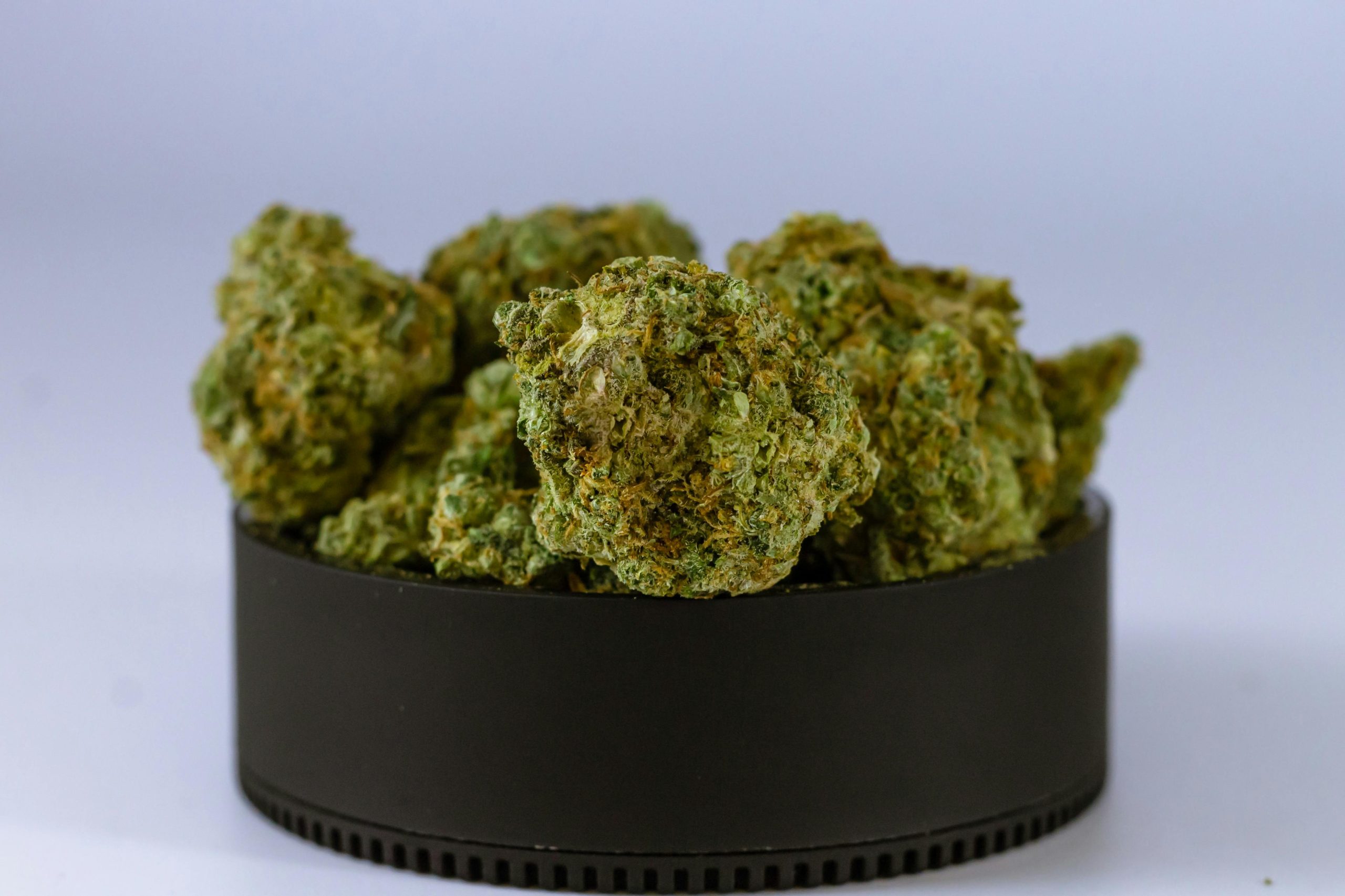
If you’re using THC-A, CBD, or other forms of “legal weed” and experiencing nausea, vomiting, or abdominal pain, you might be wondering: can these products cause CHS? The short answer is yes-any cannabinoid product, including THC-A, CBD, and various legal alternatives, can potentially cause Cannabinoid Hyperemesis Syndrome (CHS). Understanding this connection is crucial, especially as more people turn to legal cannabis alternatives thinking they’re safer.
The Short Answer: Yes, THC-A Can Cause CHS
THC-A (tetrahydrocannabinolic acid) can absolutely cause CHS, even though it’s often marketed as “non-psychoactive” or “legal.” Here’s why:
THC-A Converts to THC
THC-A is the acidic precursor to THC found in raw cannabis. While THC-A itself isn’t psychoactive in its raw form, it converts to THC when heated. This conversion happens through a process called decarboxylation, which occurs when you:
- Smoke cannabis (the heat from the flame converts THC-A to THC)
- Vape cannabis (the heating element converts THC-A to THC)
- Cook or bake with cannabis (oven heat converts THC-A to THC)
- Dab concentrates (the high heat converts THC-A to THC)
Even if you’re consuming “THC-A flower” or “THC-A products,” once you heat them for consumption, you’re getting THC-the same compound that causes CHS in regular cannabis products.
The Legal Loophole Doesn’t Change the Chemistry
THC-A products are often sold as “legal” because they contain less than 0.3% delta-9-THC in their raw form. However, this legal distinction doesn’t change what happens in your body. When you consume THC-A products (by smoking, vaping, or heating them), you’re still exposing yourself to THC, which means you’re still at risk for developing CHS.
Important note: The legal landscape for THC-A is rapidly changing. In 2024, the DEA clarified that THC-A is a controlled substance because it converts to THC upon decarboxylation, making it illegal at the federal level. In November 2025, Congress took a major step to close the hemp loophole through Section 781 of the Continuing Appropriations and Extensions Act of 2026, which changes the federal definition of hemp to include “total tetrahydrocannabinols concentration (including tetrahydrocannabinolic acid [THCa])” and sets strict limits on final hemp-derived products.
This new definition, set to take effect in November 2026, will effectively ban most high-THC-A products at the federal level. Additionally, many states are closing the hemp loophole, with Arizona, Alabama, Florida, Louisiana, Arkansas, and Tennessee implementing bans or strict regulations on THC-A products. These legal changes don’t affect the CHS risk-THC-A can still cause CHS regardless of its legal status.
CBD and CHS: Less Common, But Still Possible
Many people assume that CBD (cannabidiol) is safe and can’t cause CHS because it’s non-psychoactive. However, this isn’t entirely accurate:
CBD-Only Products
Pure CBD isolate products are less likely to cause CHS, but they’re not completely risk-free. Some case reports have documented CHS-like symptoms in people using high doses of CBD products, though this is much rarer than with THC-containing products.
Full-Spectrum and Broad-Spectrum CBD
The bigger concern is with full-spectrum and broad-spectrum CBD products, which contain:
- Multiple cannabinoids, including small amounts of THC
- Terpenes and other cannabis compounds
- Trace amounts of THC that can accumulate over time
Even if a product is labeled as “hemp-derived” and contains less than 0.3% THC, regular use of full-spectrum products can lead to THC accumulation in your system, potentially causing CHS.
The Accumulation Problem
When you use full-spectrum CBD products regularly, even small amounts of THC can build up in your body over time. This is especially true if you’re:
- Using high doses of CBD products
- Using them multiple times per day
- Using them for extended periods (months or years)
- Combining them with other cannabinoid products
The cumulative effect of these small THC amounts can be enough to trigger CHS in susceptible individuals.
Other “Legal Weed” Alternatives and CHS
The market is flooded with various legal cannabis alternatives, and many of them can cause CHS:
Delta-8 THC
Delta-8 THC is a cannabinoid that’s chemically similar to delta-9-THC (regular THC) but with slightly different effects. It’s often sold as “legal weed” because it can be derived from hemp. However:
- Delta-8 activates the same cannabinoid receptors as delta-9-THC
- It can cause the same CHS symptoms
- Case reports have documented CHS from delta-8 use
- The legal status doesn’t make it safer for CHS risk
Delta-10 THC
Delta-10 THC is another THC variant being sold as a legal alternative. Like delta-8, it can cause CHS because it activates cannabinoid receptors in similar ways. However, the legal status of delta-10 is also changing. For example, Maryland’s court closed the hemp loophole in 2025, declaring delta-8 and delta-10 THC illegal under state law, while Georgia’s court upheld their legality in 2023. These legal variations don’t change the CHS risk-delta-10 can still cause the same symptoms regardless of where it’s legal.
HHC (Hexahydrocannabinol)
HHC is a hydrogenated form of THC that’s also being marketed as legal. It has psychoactive effects and can contribute to CHS development.
THCP, THCB, and Other Novel Cannabinoids
New cannabinoids are constantly being developed and marketed, often with claims about being “legal” or “safer.” However, any compound that activates CB1 receptors (the main cannabinoid receptors in the brain) can potentially contribute to CHS.
The Common Thread
All of these “legal” alternatives share a critical characteristic: they activate cannabinoid receptors, particularly CB1 receptors. Chronic activation of these receptors is what leads to CHS, regardless of the legal status of the product or which specific cannabinoid it contains.
Why “Legal” Doesn’t Mean “Safe for CHS”
There’s a dangerous misconception that if a cannabis product is “legal,” it must be safe or less likely to cause CHS. This isn’t true:
Legal Status vs. Biological Effects
- Legal status is determined by laws and regulations, not by safety or biological effects
- CHS risk is determined by how cannabinoids affect your body, not by their legal status
- A product can be completely legal and still cause CHS
The Hemp Loophole
Many “legal” products exploit the 2018 Farm Bill, which legalized hemp containing less than 0.3% delta-9-THC. However, this loophole is being closed at both the federal and state levels:
- This threshold is arbitrary and based on legal definitions, not safety
- Products can still contain other forms of THC (delta-8, delta-10, etc.)
- Regular use can lead to THC accumulation regardless of the initial concentration
- The legal distinction doesn’t protect you from CHS
- Federal changes: In November 2025, Congress passed Section 781 of the Extensions Act, which closes the hemp loophole by redefining hemp to include “total tetrahydrocannabinols concentration (including tetrahydrocannabinolic acid [THCa])” and banning final hemp-derived products containing more than 0.4 milligrams of total THC per container. This new definition takes effect in November 2026 and will effectively ban most high-THC-A products at the federal level.
- States are cracking down: Wisconsin faces potential federal bans, and multiple states have implemented “total THC” rules that include THC-A in their calculations, effectively banning high-THC-A products
The legal landscape is shifting dramatically, but the health risks remain the same regardless of whether these products are legal in your state. According to the LAPPA fact sheet on the hemp loophole closure (PDF), the hemp industry estimates that the new federal definition will “ban more than 95 percent of all hemp products,” highlighting how significant this change is.
Marketing vs. Reality
Companies marketing “legal weed” often emphasize:
- “Non-psychoactive” (which may be technically true for raw THC-A, but not after heating)
- “Legal in all 50 states” (which doesn’t mean it can’t cause CHS)
- “Hemp-derived” (which doesn’t mean it’s safe)
- “THC-free” (which may not account for other cannabinoids or conversion)
These marketing claims can create a false sense of security, leading people to use products more frequently or in higher doses, which actually increases CHS risk.
Real Examples: Is THC-A Making You Sick?
If you’re searching for answers like “Is THC-A making me nauseous?” or “Why do I feel sick after using delta-10?”, you’re not alone. Many people experience symptoms from legal cannabis products without realizing what’s causing them. Here are some common scenarios:
Scenario 1: The Morning Nausea Mystery
“I’ve been using THC-A flower for about a year, and lately I’ve been waking up nauseous every morning. I thought it was just stress or something I ate, but it keeps happening. Could THC-A be causing this?”
Yes, this is a classic early sign of CHS. Morning nausea is one of the first symptoms people notice in the prodromal phase. Even though THC-A is “legal,” it’s still converting to THC in your body and can cause CHS symptoms.
Scenario 2: The Vicious Cycle
“I started using full-spectrum CBD oil to help with anxiety and nausea. At first it seemed to help, but now I’m nauseous all the time and I find myself taking it more often. I’m confused because CBD is supposed to help with nausea, not cause it.”
This is the CHS paradox: cannabinoids can initially help with nausea, but chronic use can cause the opposite effect. Full-spectrum CBD contains THC, and regular use can lead to THC accumulation and CHS development. The fact that you’re using more to manage symptoms is a red flag.
Scenario 3: The Emergency Room Visits
“I’ve been to the ER three times in the past month for severe vomiting and stomach pain. They keep saying it’s a stomach bug or food poisoning, but it keeps coming back. I use delta-8 gummies regularly-could that be related?”
Yes, absolutely. Repeated emergency room visits for vomiting that doctors can’t explain is a strong indicator of CHS. Delta-8 activates the same receptors as regular THC and can cause the same CHS symptoms. The cyclical nature of your episodes (coming and going) is characteristic of CHS.
Scenario 4: The Hot Shower Discovery
“The only thing that helps my nausea is taking really hot showers. I’ve been taking 4-5 showers a day just to feel better. I use THC-A vapes-is this normal?”
This is one of the most distinctive signs of CHS. Compulsive hot bathing is so characteristic of CHS that it’s considered a diagnostic clue. If you’re taking multiple hot showers per day to manage nausea, and you use cannabinoid products regularly, CHS is very likely the cause.
Scenario 5: The Product Switch
“I switched from regular weed to THC-A because it was legal and I thought it was safer. But I’m still getting nauseous and throwing up. How is this possible if THC-A is different?”
THC-A isn’t actually different in terms of CHS risk-it converts to THC when you consume it. Switching products doesn’t solve the problem because you’re still exposing yourself to THC. The legal status doesn’t change the biological effects.
Scenario 6: The Gradual Onset
“I’ve been using CBD products for two years with no problems. Recently I started feeling nauseous in the mornings, and it’s getting worse. I’m using full-spectrum CBD-could this be causing it after all this time?”
Yes. CHS can develop after months or years of regular use. Full-spectrum CBD contains THC, and even small amounts can accumulate over time. The gradual onset is typical-many people don’t develop symptoms until they’ve been using products for an extended period.
Recognizing CHS from Legal Weed Products
CHS symptoms are the same regardless of which cannabinoid product you’re using:
Early Warning Signs (Prodromal Phase)
- Morning nausea that comes and goes
- Abdominal discomfort or cramping
- Anxiety about vomiting
- Increased use of cannabinoid products (thinking they’ll help)
Acute Phase (Hyperemetic Phase)
- Severe, persistent nausea
- Repeated vomiting episodes (sometimes called “scromiting”)
- Severe abdominal pain
- Dehydration from vomiting
- Compulsive hot bathing (taking multiple hot showers per day)
The Hot Shower Relief
One of the most distinctive features of CHS is that hot showers or baths provide temporary relief. This is true whether your CHS is from:
- Regular cannabis (delta-9-THC)
- THC-A products
- Delta-8 or delta-10
- Full-spectrum CBD products
- Any other cannabinoid product
How hot showers help: The heat activates TRPV1 receptors in your body, which temporarily overrides or dampens the nausea signals. The relief is immediate but short-lived-symptoms typically return as soon as you cool down.
Important: While hot showers can help you get through the worst moments, they’re not a cure. The underlying problem (chronic cannabinoid use) is still there.
Common Questions and Concerns
“I Only Use Legal Products-How Can I Have CHS?”
This is one of the most common questions people have. The answer is simple: legal status doesn’t prevent CHS. Whether a product is legal or illegal, if it contains cannabinoids that activate CB1 receptors, it can cause CHS. THC-A, delta-8, delta-10, and full-spectrum CBD all activate these receptors, regardless of their legal status.
“But THC-A Isn’t Psychoactive-How Can It Cause Problems?”
While raw THC-A isn’t psychoactive, it becomes psychoactive (and can cause CHS) when you heat it for consumption. The “non-psychoactive” claim only applies to the raw, unheated form. Once you smoke, vape, or cook with it, you’re getting THC.
“I Thought CBD Was Safe-Can It Really Cause This?”
CBD alone is less likely to cause CHS, but full-spectrum CBD products contain THC. Even small amounts of THC can accumulate with regular use, potentially causing CHS. Additionally, high doses of CBD can still affect cannabinoid receptors, though this is rarer.
“I’ve Been Using These Products for Months-Why Am I Just Now Getting Sick?”
CHS typically develops after months or years of regular use. The condition doesn’t appear immediately-it develops gradually as cannabinoid receptors become overstimulated. This delayed onset is why many people don’t connect their symptoms to products they’ve been using for a long time.
Why People Don’t Realize Legal Products Cause CHS
Several factors contribute to people not recognizing that legal cannabis products are causing their CHS:
The “Legal = Safe” Assumption
Many people assume that if a product is legal, it must be safe. This leads them to:
- Use products more frequently
- Use higher doses
- Ignore early warning signs
- Not connect their symptoms to the products they’re using
The CBD “Cure” Myth
There’s a widespread belief that CBD can’t cause problems because it’s “non-psychoactive” and often marketed for health benefits. However:
- Full-spectrum CBD contains THC
- High doses of CBD can still affect cannabinoid receptors
- Regular use can lead to accumulation of cannabinoids
Misleading Marketing
Product labels and marketing often emphasize:
- “Non-psychoactive” (for THC-A, which becomes psychoactive when heated)
- “THC-free” (which may not account for other cannabinoids)
- “Legal” (which doesn’t mean safe)
- “Hemp-derived” (which doesn’t prevent CHS)
Delayed Onset
CHS typically develops after months or years of regular use, so people don’t immediately connect their symptoms to products they’ve been using for a long time. This is especially true if they’ve switched between different types of products.
Treatment: The Same for All Cannabinoid Products
Regardless of which cannabinoid product is causing your CHS, the treatment is the same:
Immediate Relief During Episodes
- Hot showers or baths: Can provide temporary relief (use very hot water, but be careful not to burn yourself)
- Medical care: Seek emergency treatment if you’re severely dehydrated or can’t keep fluids down
- Supportive care: IV fluids, anti-nausea medications (though these may have limited effectiveness in CHS)
Long-Term Treatment
The only proven long-term treatment is complete cessation of all cannabinoid products, including:
- Regular cannabis (delta-9-THC)
- THC-A products
- CBD products (especially full-spectrum)
- Delta-8, delta-10, HHC, and other alternatives
- Any other cannabinoid-containing products
Why you need to stop everything: Even if one product seems to help or doesn’t cause symptoms, continuing to use any cannabinoid products can:
- Prevent recovery
- Cause symptoms to return
- Maintain the underlying receptor dysfunction
The Recovery Process
When you stop using cannabinoid products:
- Acute episodes typically stop within days to weeks
- Full recovery can take weeks to months
- Symptoms return if you resume use of any cannabinoid product
- Support may be needed to help with cessation, especially if you’ve been using products regularly
Prevention: Understanding the Risk
To prevent CHS, regardless of which products you’re using:
Understand That All Cannabinoids Carry Risk
- THC-A converts to THC when heated
- Full-spectrum CBD contains THC and other cannabinoids
- Delta-8, delta-10, HHC activate the same receptors as regular THC
- Legal status doesn’t equal safety for CHS
Use Patterns Matter
CHS risk increases with:
- Frequency: Daily or near-daily use increases risk
- Duration: Using for months or years increases risk
- Dose: Higher doses may increase risk
- Starting age: Beginning use in adolescence may increase risk
Early Recognition
Recognize early warning signs:
- Morning nausea
- Abdominal discomfort
- Increased use of products to manage symptoms
- Relief from hot showers
If you notice these signs, consider stopping all cannabinoid products before symptoms progress to the severe hyperemetic phase.
The Bottom Line
Yes, THC-A can cause CHS because it converts to THC when you consume it. CBD products can also cause CHS, especially full-spectrum products that contain THC. All “legal weed” alternatives (delta-8, delta-10, HHC, etc.) can cause CHS because they activate the same cannabinoid receptors.
Key points to remember:
- Legal status doesn’t protect you from CHS-any cannabinoid product can cause it
- THC-A converts to THC when heated, so it has the same CHS risk
- Full-spectrum CBD contains THC and can cause CHS with regular use
- Hot showers can provide temporary relief during CHS episodes, but they’re not a cure
- The only proven treatment is stopping all cannabinoid products
If you’re experiencing nausea, vomiting, or abdominal pain and you use any form of cannabis or cannabinoid products (legal or not), consider that CHS might be the cause. Be honest with healthcare providers about all the products you’re using, including legal ones. Getting the right diagnosis is the first step toward recovery.
What to Do If You Think Legal Products Are Making You Sick
If you’re asking questions like “Is THC-A making me nauseous?” or “Could delta-10 be causing my vomiting?”, here’s what to do:
- Stop using all cannabinoid products-this includes THC-A, CBD, delta-8, delta-10, HHC, and any other cannabinoid products
- Track your symptoms-see if they improve when you stop using products
- Try hot showers-if hot water provides relief, this is a strong indicator of CHS
- Talk to a healthcare provider-be honest about all the products you’ve been using
- Give it time-symptoms may take days or weeks to fully resolve after stopping use
Remember: The legal status of a product doesn’t protect you from CHS. If you’re experiencing symptoms, the best approach is to stop using all cannabinoid products and see if your symptoms improve.
Additional Resources
- Cleveland Clinic: Cannabis Hyperemesis Syndrome (CHS)
- PubMed: TRPV1 Receptors and CHS
- JAMA Network: Cannabinoid Hyperemesis Syndrome
Legal Status Updates
- LAPPA: Closing the Hemp Loophole – The New Federal Definition of Hemp and Its Impact – Comprehensive fact sheet on Section 781 of the Extensions Act and the federal hemp loophole closure
- Forbes: DEA Clarifies THC-A is a Controlled Substance
- Arizona Judge OKs Crackdown on Hemp-Based THC Products
- Maryland Court Closes Hemp Loophole
- State-by-State THC-A Laws
- Wisconsin THC-A Market Faces Federal Ban
Please consider taking our community survey.
Leave a Reply